SoftBank GPU Cloud Launches in Japan — and Telcos Are Coming for the Cloud
SoftBank Corp. is launching its AI Data Center GPU Cloud in Japan this month — Nvidia GB200s, its own Infrinia AI Cloud OS, and a sovereignty pitch. Here's the playbook and what it means for the cloud market.
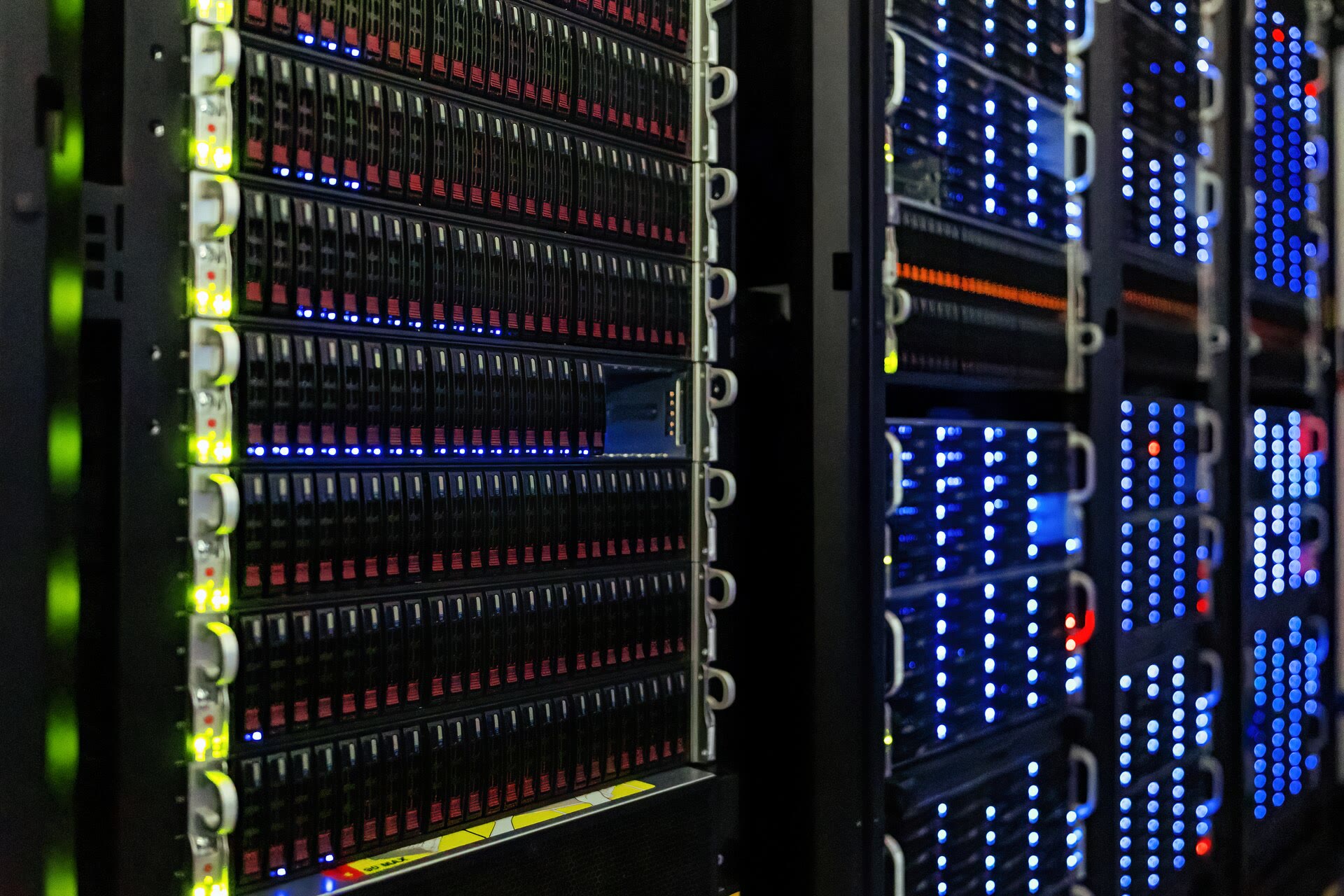
SoftBank Corp. is switching on its AI Data Center GPU Cloud in Japan this month. The SoftBank GPU cloud — built on Nvidia GB200 NVL72 systems and the company's own Infrinia AI Cloud OS — is the telco's bid to sell compute the way it sells bandwidth: by the hour, managed, and inside national borders.
What SoftBank is actually launching
The service goes commercial in October 2026, with a beta already running and the platform first being used internally across SoftBank group companies. The pitch is a full stack, not raw servers: Infrinia AI Cloud OS provides Kubernetes-as-a-Service for multi-tenant workloads and Inference-as-a-Service for serving large language models through APIs. Underneath it sits SoftBank's own AI computing infrastructure, including Nvidia's GB200 NVL72 deployments in its Japanese data centers, run through its IDC Frontier subsidiary.
The selling point SoftBank keeps repeating is sovereignty: customer workloads are trained, run, and managed entirely within Japan. CEO Junichi Miyakawa framed it under a strategy called "Activate AI for Society," arguing that competitiveness now depends as much on computing power and operational software as on AI models themselves.
Why a phone company wants to be a cloud
Because it already owns everything a cloud needs except the brand. Telcos have power contracts, fiber, real estate, and enterprise sales teams. The global neocloud market pulled in over $25 billion in revenue last year by one market estimate, and the playbook is proven: CoreWeave just announced a 240 MW AI campus in India with AdaniConneX on October 8, the same week SoftBank's launch went live.
SoftBank's version of the playbook is vertical. It broke ground on a potential 1-gigawatt campus in Tomakomai, Hokkaido in 2025, and it's converting a recently closed Sharp LCD factory into a 150 MW data center. Power, land, and GPUs under one corporate roof — that's the bet. The economics favor incumbents, too: a telco's data centers already sit on long-term power contracts and dark fiber, so adding GPU racks turns sunk cost into a product line. The risk is execution — running a cloud is a different discipline from running a network, and SoftBank has to prove it can do both at once.
Reading the SoftBank GPU cloud playbook
Strip away the branding and there are four moves worth noting:
- Integration over rental. SoftBank isn't renting you GPUs; it's selling a managed stack — centralized GPU management, Kubernetes operations, automated workload execution — that cuts the operational cost of running AI at scale.
- Sovereignty as a feature. Data residency is a compliance checkbox for banks, governments, and healthcare. A domestic neocloud turns it into a product.
- Inference as the wedge. Training gets the headlines, but inference APIs are the recurring revenue. Inference-as-a-Service goes straight at the workload every enterprise actually runs daily.
- The US is next. SoftBank set up SB Neo, a US entity targeting a fiscal 2027 launch of the same stack stateside. Japan is the proving ground.
What it means for everyone else
For hyperscalers, the message is uncomfortable: the most aggressive new cloud competition isn't coming from startups, it's coming from companies that already own the pipes and the power grid. For enterprises with Japan data-residency requirements, there's now a domestic option with serious hardware behind it — worth benchmarking against AWS and Azure before your next contract renewal.
And for the industry's sovereignty wave, SoftBank is another data point alongside Sitecore's sovereign cloud expansion: governments and regulated industries want their AI close to home, and vendors are building to that demand. The AI data center buildout isn't slowing down — it's just getting more national flags on it.
Watch the commercial numbers. SoftBank briefs investors in November; the first real test of the neocloud story is whether the beta converts into paying customers, not how many announcements it generates.