Microsoft and Adobe Just Got Hit by a Green Card Suspension
The US Department of Labor has frozen PERM labor certifications for Microsoft, Adobe, and six major IT outsourcers. Here's what the freeze blocks, who it hurts, and what workers in the pipeline should do.
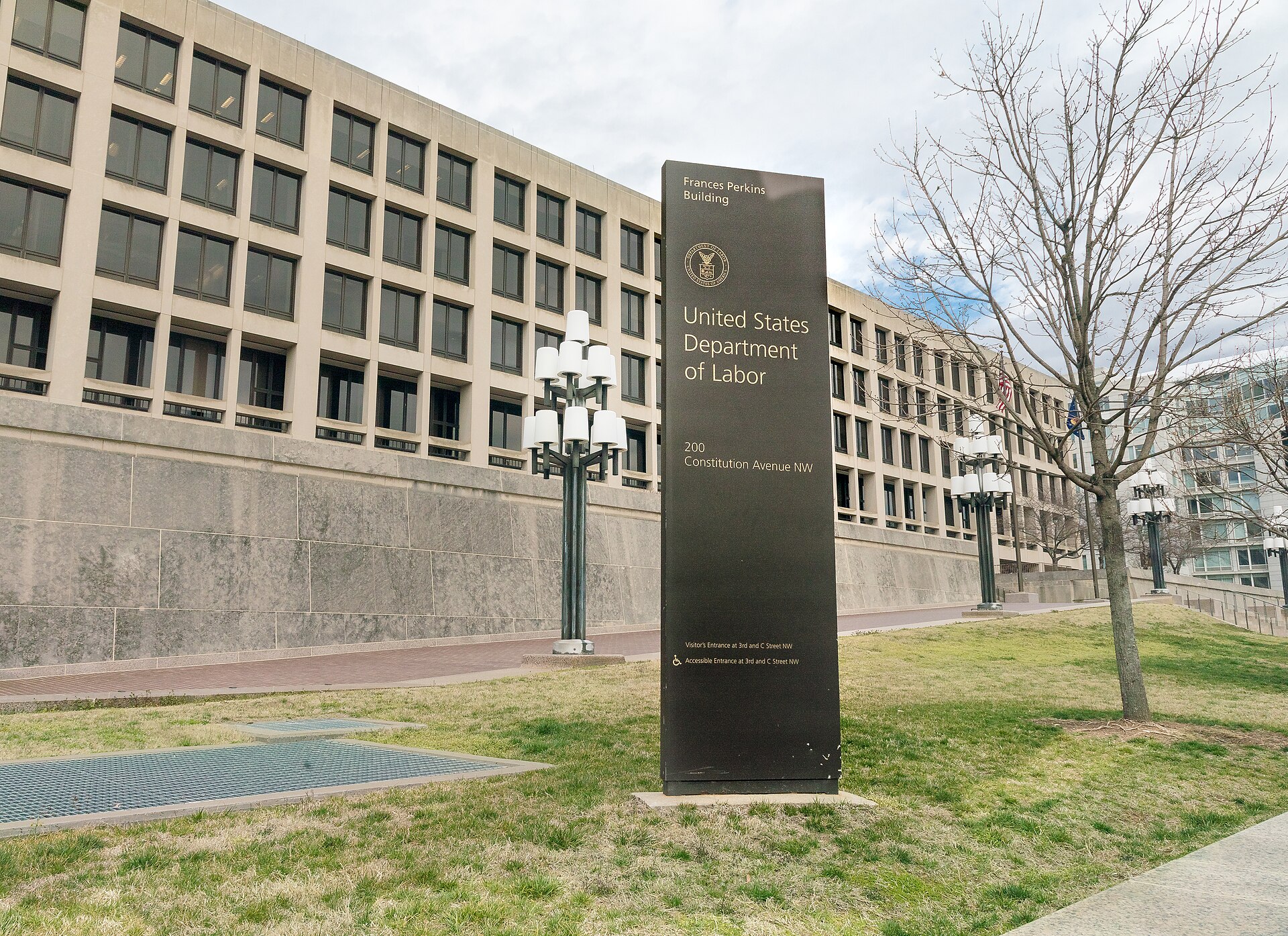
On October 8, the US Department of Labor froze green card sponsorship for Microsoft, Adobe, and six of the biggest IT outsourcing firms in the world. The green card suspension — a halt on all PERM labor certifications involving the eight companies — means none of them can advance foreign workers toward permanent residency until the government says otherwise.
What actually happened
At a White House press conference, Labor Secretary Keith Sonderling announced the department "will not accept any new or process any pending permanent labor certification applications" involving the eight firms. Vice President JD Vance stood beside him. The companies:
- Microsoft and Adobe — suspended over what Sonderling described as multiple active federal investigations
- Cognizant, Infosys, Tata Consultancy Services, Wipro, HCL Technologies, and Capgemini — suspended over ongoing criminal investigations led by the department's inspector general
Sonderling said the eight companies have requested nearly three million foreign workers since 2009, receiving over 230,000 H-1B approvals and more than 100,000 permanent labor certifications. No end date was given; Vance said the freeze would last "as long as it takes."
Why PERM matters more than the H-1B headlines
Most coverage leads with H-1B visas, but that's not what's frozen. Existing H-1B visas are untouched. What's blocked is PERM — permanent labor certification, the employer-driven first step of most employment-based green card cases. Without it, the pipeline stalls: no new green card cases can start, and pending ones can't move forward.
The bite is indirect but real. H-1B status normally maxes out at six years, and extensions beyond that usually depend on a PERM or immigrant petition filed at least a year earlier. Freeze the first step and you quietly put a timer on workers who are years into the process. That's the part that should worry people: not dramatic enforcement, but a slow bureaucratic clock.
Who gets hurt most
The pain lands unevenly. Workers with approved immigrant petitions generally keep their priority dates, so they're delayed, not destroyed. Workers whose PERM was pending when the freeze hit are stuck in place — they can't move forward, and they can't easily change employers without restarting the queue.
The companies feel it as a retention problem. Green card sponsorship is one of the strongest tools a US tech employer has for keeping foreign-born talent. A firm that can't sponsor loses people to firms that can. Notably, the direct hit looks small for some: TCS said its PERM applications numbered in the single digits over the past two years, and Indian IT stocks actually rose the day after the announcement. The market is betting this is political theater with a short shelf life.
What the green card suspension tells you about Big Tech hiring
Vance aimed the sharpest rhetoric at Microsoft, pointing to roughly 6,000 layoffs last year while the company continued using foreign-worker programs. Microsoft pushed back, saying most of its recent H-1B filings were extensions or status changes for existing employees, and disputed the administration's framing.
Here's the part that matters legally: the suspension rests on a provision that lets the department pause PERM processing for employers facing fraud proceedings — and the initial pause is capped at 180 days, after which it must be revisited. "As long as it takes" is a press-conference line; the regulation has a clock. Expect lawyers, not layoffs, to decide how long this lasts.
This is part of a pattern, not an isolated shot. Regulators on both sides of the Atlantic are squeezing Big Tech from new angles — see the UK court fight with Meta — and immigration enforcement has become one of Washington's favorite levers. The message to every large tech employer is the same: workforce planning now carries political risk. Meanwhile the startup funding boom keeps promising talent wars for engineers — a promise that gets harder to keep when the visa pipeline narrows.
What to do if you're in the pipeline
If you work at one of the eight companies and you're anywhere in the green card process, do this now: get your exact PERM and petition status and dates from your employer in writing, calculate when you hit six years of H-1B time, keep copies of any approved petitions, and talk to an immigration attorney before you change jobs or travel. Don't rely on HR summaries — get the documents.