Amazon's $75 Bee Frontier Listens to Your Whole Day — and Remembers It
Amazon's Bee Frontier ($75) and Bee Eclipse ($100) listen to your conversations and turn them into summaries and reminders. It's the first mass-market test of the 'memory wearable' — with real privacy questions attached.
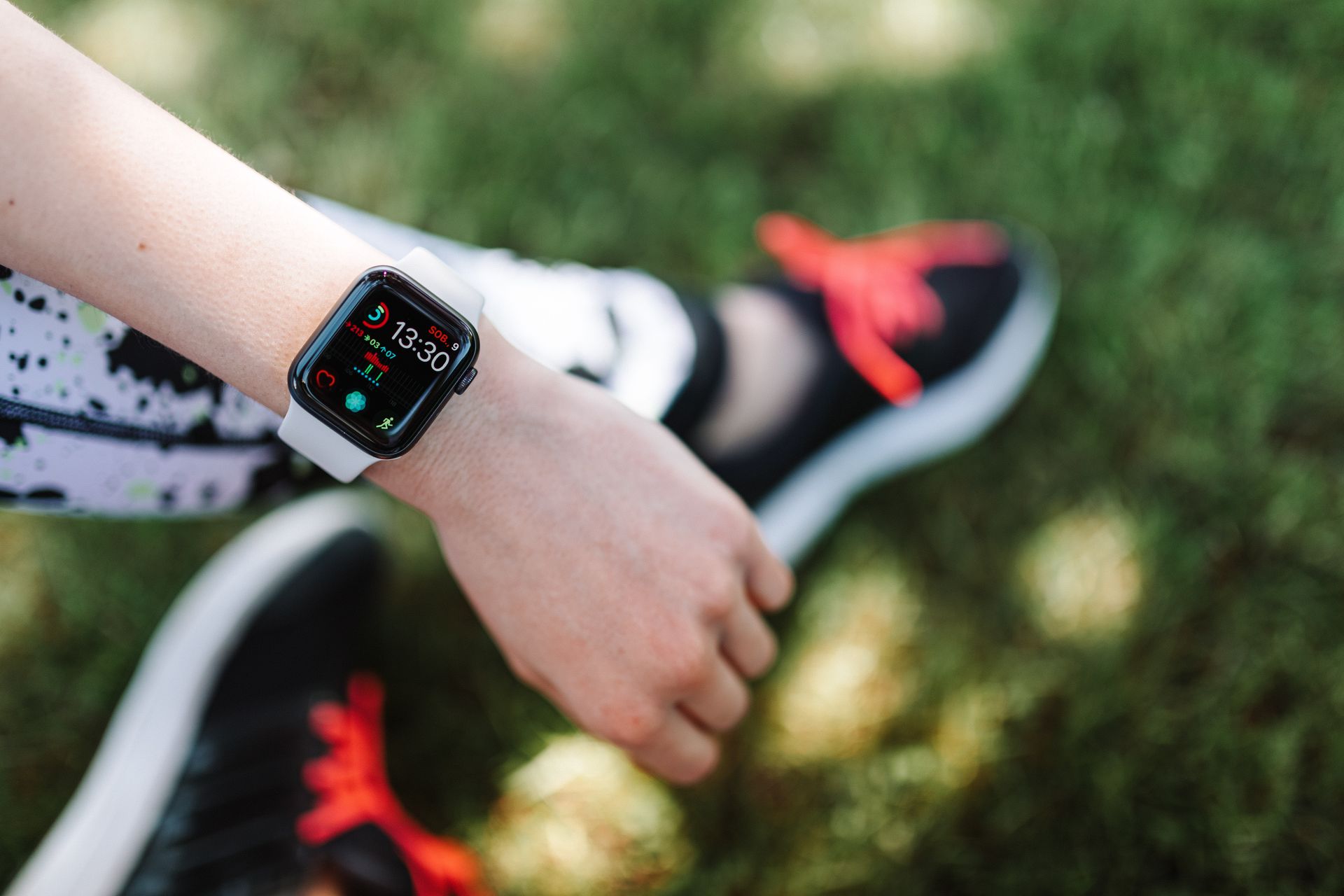
Amazon announced two new AI wearables on October 15 at TechCrunch Disrupt in San Francisco, and they are not fitness trackers. The Bee Frontier is a $75 bracelet. The Bee Eclipse is a $100 device that attaches magnetically to a smartphone. Both sit under the Bee brand — the startup Amazon acquired in 2025 — and both do the same job: listen to your day, summarize what happened, and turn conversations into reminders, follow-ups, and a searchable record of your commitments.
Amazon devices chief Panos Panay did the unveiling, and his pitch line was blunt: "They listen to your whole day." The devices pull from your conversations and connected apps to generate summaries and insights, accessible through Bee's companion software. The idea is that you stop manually tracking what you promised people, because the bracelet heard you promise it.
Why the Bee Frontier wearable is different from a smartwatch
Every wearable until now has been about measuring your body or glancing at notifications. The Bee Frontier is about memory. A smartwatch answers "what's my heart rate." This answers "what did I agree to on Tuesday." That's a genuinely new category of device, and it's aimed at a real problem: most people lose more productivity to forgotten commitments than to anything a fitness ring can fix.
The $75 price is the other half of the strategy. This is impulse-buy territory, cheaper than most fitness bands with a screen. Amazon clearly wants these in volume fast, because a memory device gets more useful the more of your life it captures — and the switching cost of leaving a device that holds your history is enormous. That's not an accident.
The privacy question you cannot skip
An always-on microphone on your wrist is the most privacy-aggressive consumer device Amazon has ever shipped, and that includes the Echo. The questions that matter: what audio leaves the device, how long transcripts are stored, who can access them, and how you delete your history — including history captured around other people who never consented to be recorded.
Amazon hasn't put satisfying answers to all of this in the launch materials, and the regulatory picture for recording conversations varies by state and country. Two-party consent laws exist in more than a dozen U.S. states. Wearing a listening bracelet into a meeting in California is a different legal act than wearing one in Texas. If you buy this, read the retention and deletion controls before the first charge, not after. And review what your phone is already sharing while you're at it — our guide to auditing app permissions is a good companion exercise.
Should you buy one?
Wait for reviews. The concept is strong but the execution details decide everything: battery life on an always-listening device, transcription accuracy in noisy rooms, how good the summaries actually are, and whether the reminder features are smarter than the phone alarms you already ignore. The hardware is cheap enough that the real product is the software, and software this ambitious needs independent testing.
The bigger signal is what Amazon is telling us about where devices go next. Panay has been arguing that AI devices will eventually replace the need to open apps at all — the device just handles things. The Bee Frontier is the first mass-market test of that thesis at a price normal people will try. If it works, expect every wearable maker to add a memory layer within a year. Google's Fitbit Edge went the fitness route; Amazon just bet that remembering is worth more than measuring. It's a good bet. Whether this particular bracelet wins it is still an open question.