Fitbit Edge Is Google's $180 Bet That Fitness Trackers Aren't Dead
Google's Fitbit Edge slots between the screenless Air and the Pixel Watch 5. Here's what the $180 tracker offers, and who should actually buy one.
What the Fitbit Edge fitness tracker actually offers
Google confirmed the Fitbit Edge with a teaser on October 9, then launched it on October 12. It sits in the middle of Google's wearable lineup: above the screenless Fitbit Air at around $99, below the Pixel Watch 5 at $349 and up. Leaked pricing puts the Edge at about €179 in Europe and £159 in the UK, with an expected price near Rs. 15,000 in India.
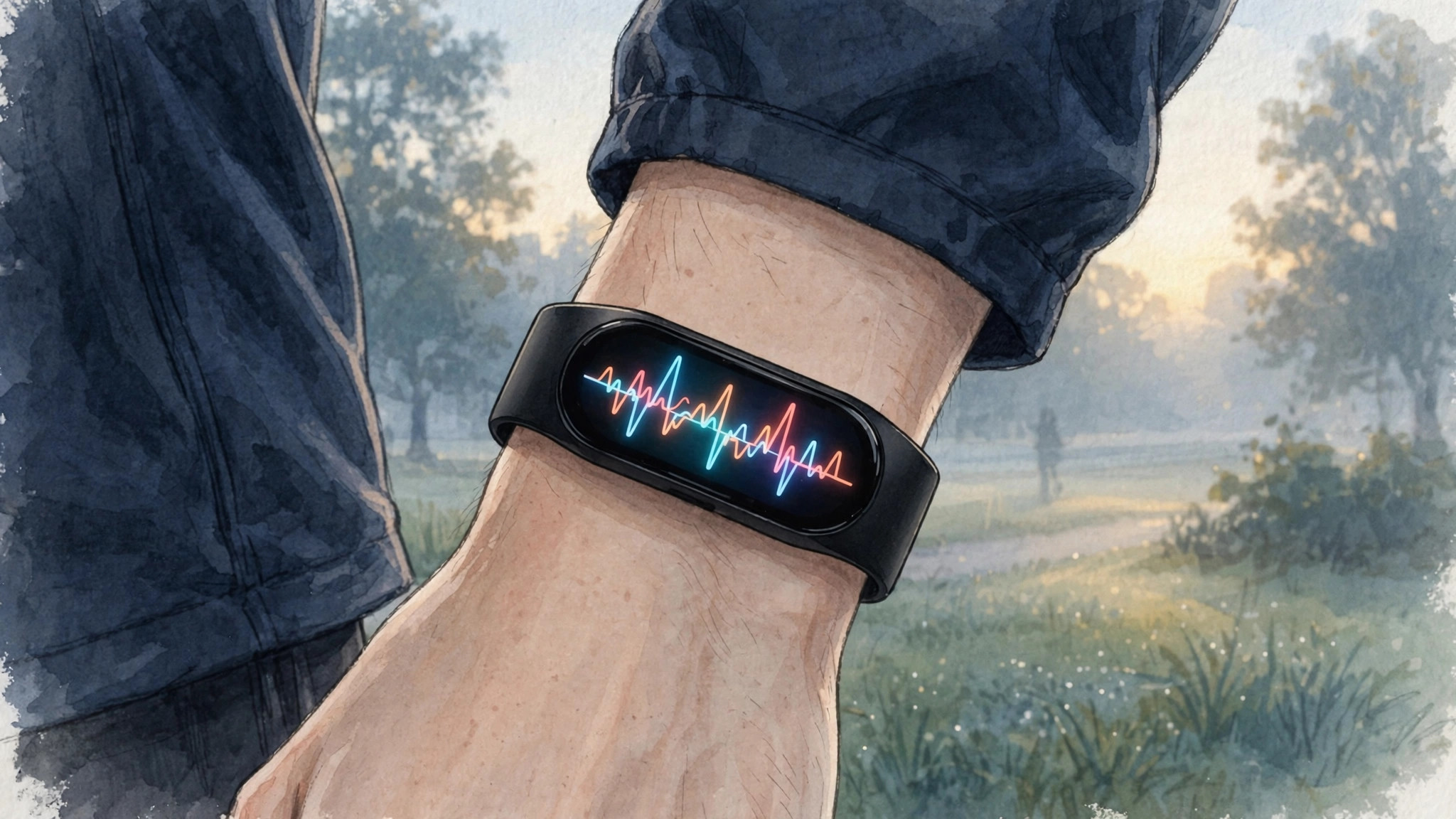
The hardware is a fitness band with a color AMOLED display, built-in GPS, and a promised battery life of up to seven days. Health tracking covers the usual set: heart rate, sleep, activity, and recovery data, synced to the Google Health app. Google is also pitching Gemini-powered personalized coaching, which is the feature that separates the Edge from the generic bands that cost half as much.
Color options reportedly include Canyon and Champagne Gold, Fog and Polished Silver, Obsidian and Matte Black, and Olive and Satin Pyrite. The design is a band, not a watch: smaller, lighter, and less conspicuous than a smartwatch, with a display that shows what you need and nothing else.
Where it fits in Google's lineup
Google now has three distinct wearables, and the differences are about trade-offs, not good versus better:
- Fitbit Air: screenless, 10-14 days of battery, distraction-free tracking. Best if you hate screens and notifications on your wrist.
- Fitbit Edge: color display, GPS, up to seven days of battery. Best if you want to glance at stats mid-run without carrying your phone.
- Pixel Watch 5: full smartwatch, apps, 24-36 hours of battery. Best if you want a second screen for your phone.
The Edge exists because the middle of that range was empty. Plenty of people want GPS and a readable display but do not want to charge a watch every night or pay flagship prices. That is a real audience, and it is one the big brands have mostly ignored while chasing smartwatch margins.
Does anyone still want a fitness tracker?
The honest answer is yes, but the market is smaller than it used to be. Smartwatches ate the high end, and cheap bands from Xiaomi and others ate the low end. What is left is the buyer who wants reliable tracking, a week of battery, and no fuss. That buyer exists in large numbers: runners, gym-goers, and people who wear a real watch and want a tracker that does not compete with it.
Google's bet is that AI coaching can make a tracker feel smarter than its price suggests. Gemini-powered coaching could mean training suggestions that adapt to your sleep and recovery, rather than generic daily goals. Whether that works in practice depends on the quality of the advice and how much of it sits behind a subscription. Google has bundled health features with its Health Premium subscriptions before, so read the fine print before assuming the coaching is free forever.
Should you buy one?
Buy the Edge if you want a tracker with GPS, a readable screen, and multi-day battery, and you do not want smartwatch notifications. Skip it if you already own a Pixel Watch or a recent Fitbit that still holds a charge; the upgrade is incremental, not transformative.
If you are choosing between the Edge and a cheap band, the decision comes down to coaching and ecosystem. A $50 band tracks steps and heart rate about as well. What Google is selling is the interpretation: turning raw numbers into advice. That is worth paying for only if you actually follow the advice. For most people, the best tracker is still the one they remember to wear, and a week of battery life helps with exactly that.