NVIDIA's RTX Spark Lands in Laptops — Surface Laptop Ultra Ships Friday
NVIDIA's RTX Spark superchip is coming to laptops, and Microsoft's Surface Laptop Ultra — from $2,599 — ships October 16. Specs, pricing, the MacBook challenge, and whether you should buy in.

A week ago, Satya Nadella and Jensen Huang shared a stage at Dogpatch Studios in San Francisco to unveil the first wave of RTX Spark laptops. Pre-orders opened the same day. This Friday, October 16, they start hitting shelves — led by Microsoft's Surface Laptop Ultra, with Asus, HP, Dell, Lenovo, MSI, and Gigabyte close behind.
RTX Spark Laptops: The Lineup
RTX Spark is NVIDIA's N1X superchip: an Arm-based Grace CPU fused with a Blackwell RTX GPU and unified memory, in the same architectural family as the DGX Spark desktop AI computer. The base configuration packs an 18-core CPU and 5,120 GPU cores; higher tiers go up to 20 CPU cores, 6,144 GPU cores, and a staggering 128GB of LPDDR5X unified memory. That's workstation-class memory in a laptop chassis.
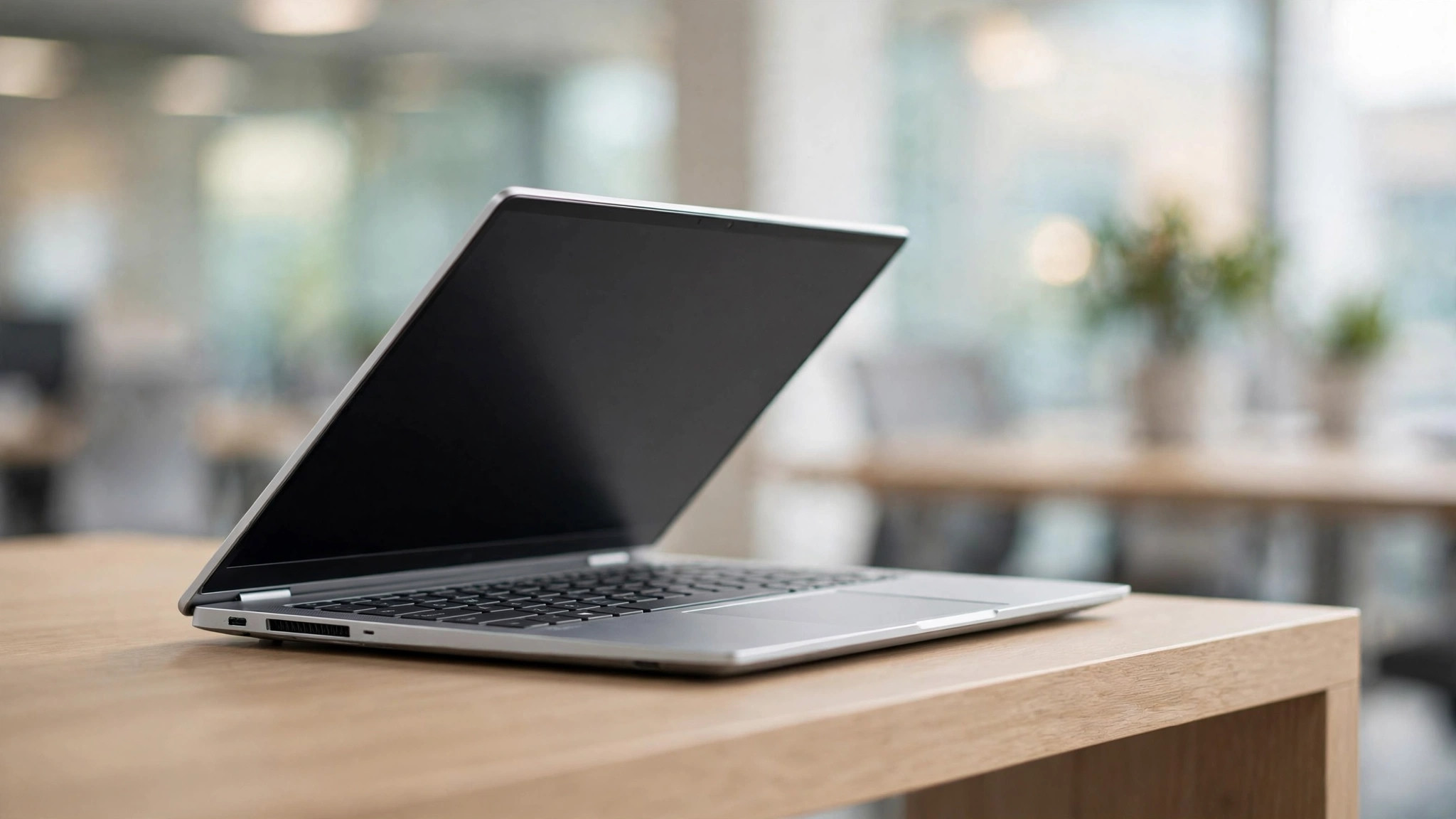
Microsoft's Surface Laptop Ultra leads the charge. Pricing starts at $2,599 in the US (C$3,899.99 in Canada) and climbs to $5,899 fully loaded. You get a 15-inch HDR PixelSense display, what Microsoft calls the most ports ever on a Surface Laptop, and a new magnetic USB-C charger. If you're shopping for a laptop this year, the spec sheet alone forces a rethink of what the high end looks like.
The OEM bench is deep: Asus ProArt P14 and P16 (from C$3,499 and C$4,999), HP's OmniBook X 14 (from $2,999), plus models from Dell, Lenovo, MSI, and Gigabyte. Compact RTX Spark desktops follow in November. NVIDIA clearly didn't want this to be a one-vendor curiosity — it's a platform launch.
The MacBook Challenge
Microsoft isn't being subtle about the target. The company claims the Surface Laptop Ultra beats the MacBook Pro with M5 Pro at AI workloads: 2.1x faster time-to-first-token and 6.2x faster AI video generation. Those are Microsoft's numbers, run on Microsoft's benchmarks, so apply the usual discount — but even half that advantage would be a genuine upset. Apple has owned the 'fast, quiet, efficient laptop' crown for years; NVIDIA is coming for it with raw parallel compute.
To sweeten the switch, Microsoft is running a limited-time MacBook trade-in: up to $1,000 cash back in the US, C$1,300 in Canada. That's not a promotion you run when you're confident people will switch on specs alone — it's an admission that ecosystem lock-in is the real competitor.
Gaming on Arm: Gears at 60fps
Here's the surprise: these AI-first machines can game. Microsoft showed Gears of War: E-Day running at 60fps on RTX Spark hardware, and Call of Duty is slated to arrive on the platform in 2027. Arm gaming on Windows has been a punchline for years — compatibility layers, stuttering ports, missing anti-cheat support. If NVIDIA's GPU muscle plus Microsoft's translation layers actually deliver playable AAA titles, that narrative finally changes.
Should You Buy In?
Honest answer: probably not yet, unless you know exactly why you need one. First-generation platform launches carry the early-adopter tax — premium pricing, immature drivers, and the eternal Arm-on-Windows question of whether your specific apps run natively. The 128GB memory configurations will tempt AI tinkerers who want to run serious local models; for them, nothing else in a laptop form factor comes close, and a lean AI tool setup suddenly fits in a backpack.
For everyone else, the smart play is to watch. If the MacBook performance claims hold up in independent testing and the gaming story pans out, RTX Spark laptops become the most interesting thing to happen to Windows hardware in a decade. If not, gen two will be cheaper anyway. Either way, the AI PC era just got its first real hardware — and it's shipping Friday.