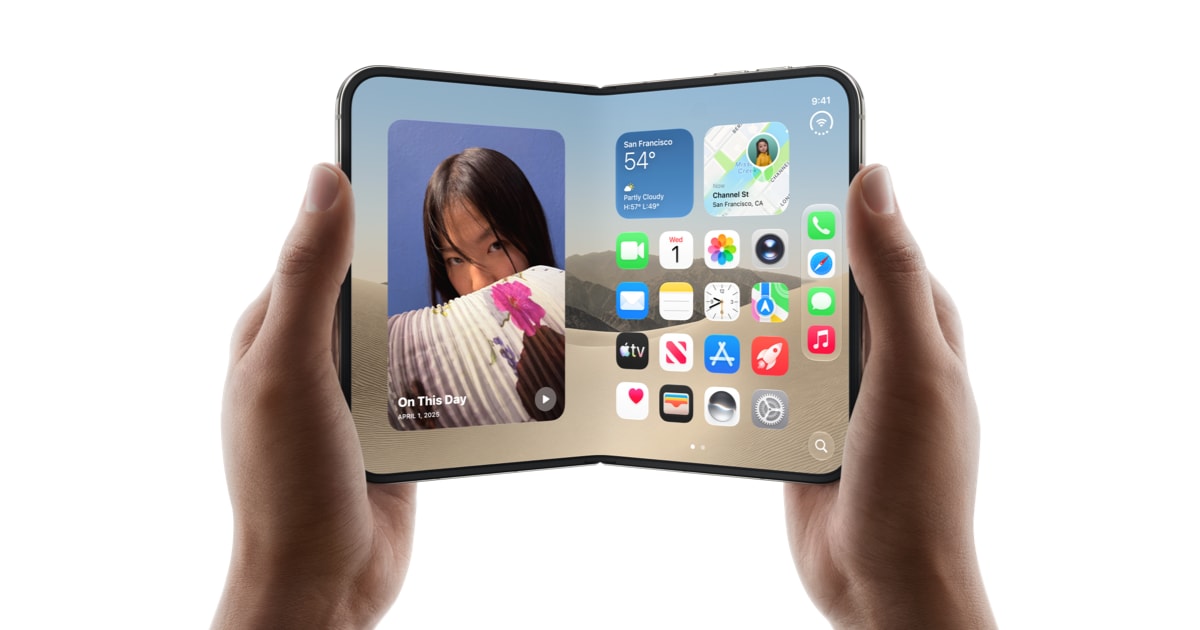
Apple's Touchscreen MacBook Is Finally Real: What the October 28 Event Means
Bloomberg's Mark Gurman says Apple will unveil an OLED touchscreen MacBook Pro at an October 28 event. The Mac's longest-held design taboo is about to fall.
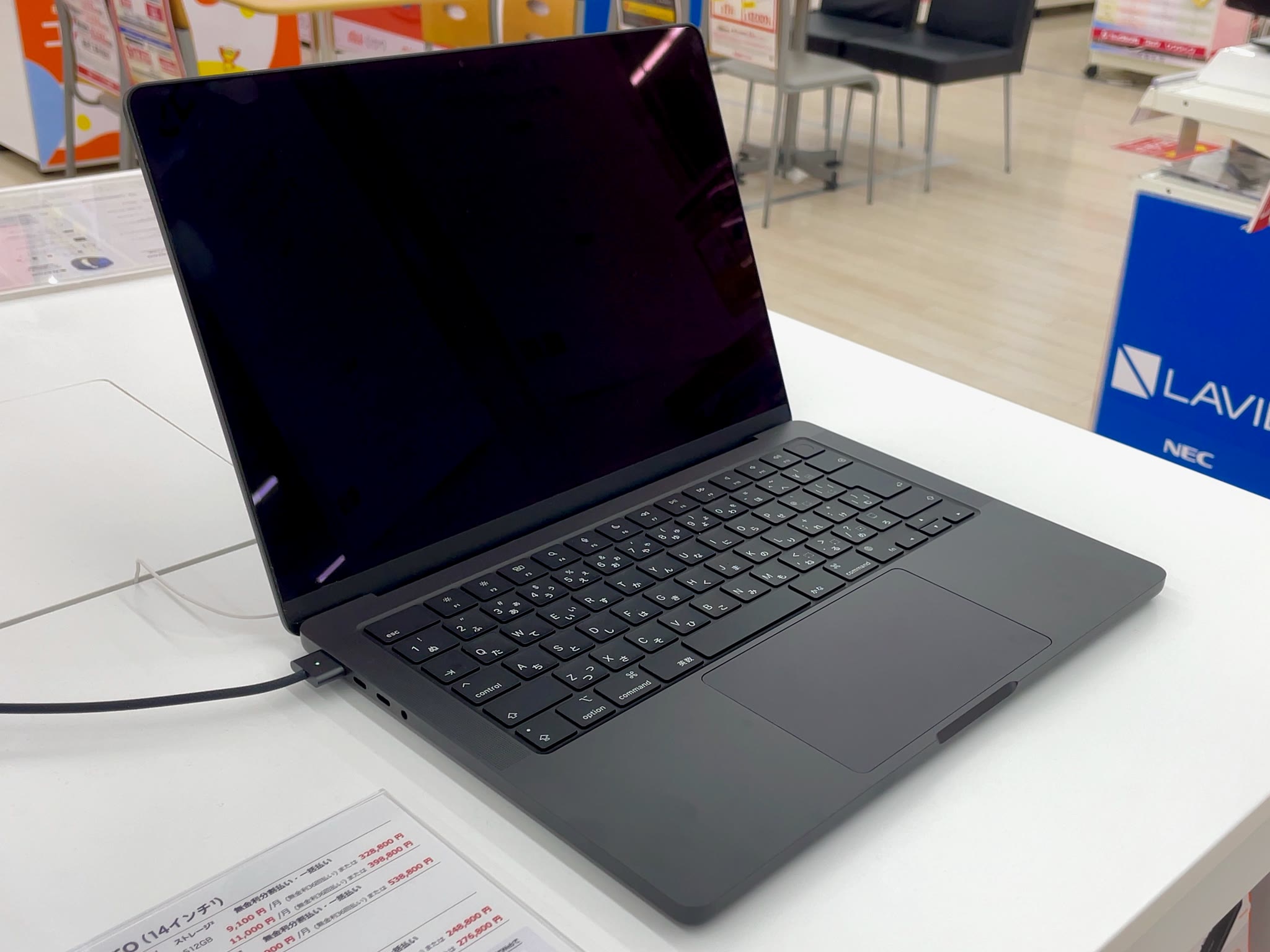
Apple spent decades insisting the Mac would never get a touchscreen. According to Bloomberg's Mark Gurman, the company is about to eat those words on stage. Apple has invited select media to an all-day launch experience in Los Angeles on October 28 — moved from an earlier October 27 report — and the headliner is expected to be a redesigned MacBook Pro with an OLED touchscreen. After years of "who asked for this" jokes, the touchscreen MacBook Pro is finally real. Here's what the rumors say, and what actually matters.
The touchscreen MacBook Pro: what we know
The new 14-inch and 16-inch MacBook Pro models are expected to carry an OLED touchscreen panel, with the Dynamic Island replacing the notch — the same design language Apple has been refining on the iPhone for years. The body gets lighter, and the machines will be powered by M5 Pro and M5 Max chips. Notably, Gurman says Apple has no M6 Pro or M6 Max planned, which means the M5 generation will carry the high end for a while.
One rumor worth killing early: the name. "MacBook Ultra" floated around earlier this year, but Gurman's reporting says the new machines stay in the MacBook Pro lineup. It's a Pro with a touchscreen, not a new product line.
The price question is where things get spicy. One outlet floated a guess of around $4,000 for the touchscreen model — roughly a 20% OLED premium on steroids, nearly double the $2,499 base Pro. Treat that as speculation, not a leak: it's one publication's math, not Apple's. But directionally, nobody should be surprised if the touchscreen tax is real. OLED at laptop scale is expensive, and Apple has never been shy about charging for the good panel.
Also on the October 28 menu
The touchscreen Pro won't be alone. Gurman also expects a base 14-inch MacBook Pro and an iMac running the M6 chip — Apple's first 2nm silicon, which debuted in the Mac mini back in August. If you were planning to buy the entry-level machines, waiting eleven days is the easiest money you'll save this year.
There's also an OLED iPad mini in the mix, reportedly with a landscape front camera, redesigned speakers, and an A20-class chip. The iPad mini has always been the beloved oddball of the lineup; an OLED screen finally gives it flagship display tech to match its cult status.
Why now, and why it took so long
Apple's resistance to touchscreen Macs was never really about technology — it was about product philosophy and, frankly, about not cannibalizing the iPad. What's changed is that the iPad line has grown up into its own thing, and the competition stopped waiting. Windows laptops with touchscreens have been normal for a decade; reviewers have spent years calling the Mac's absence a stubborn gap. Our laptop buying guide has been telling readers to weigh touchscreens as a real factor for a while now.
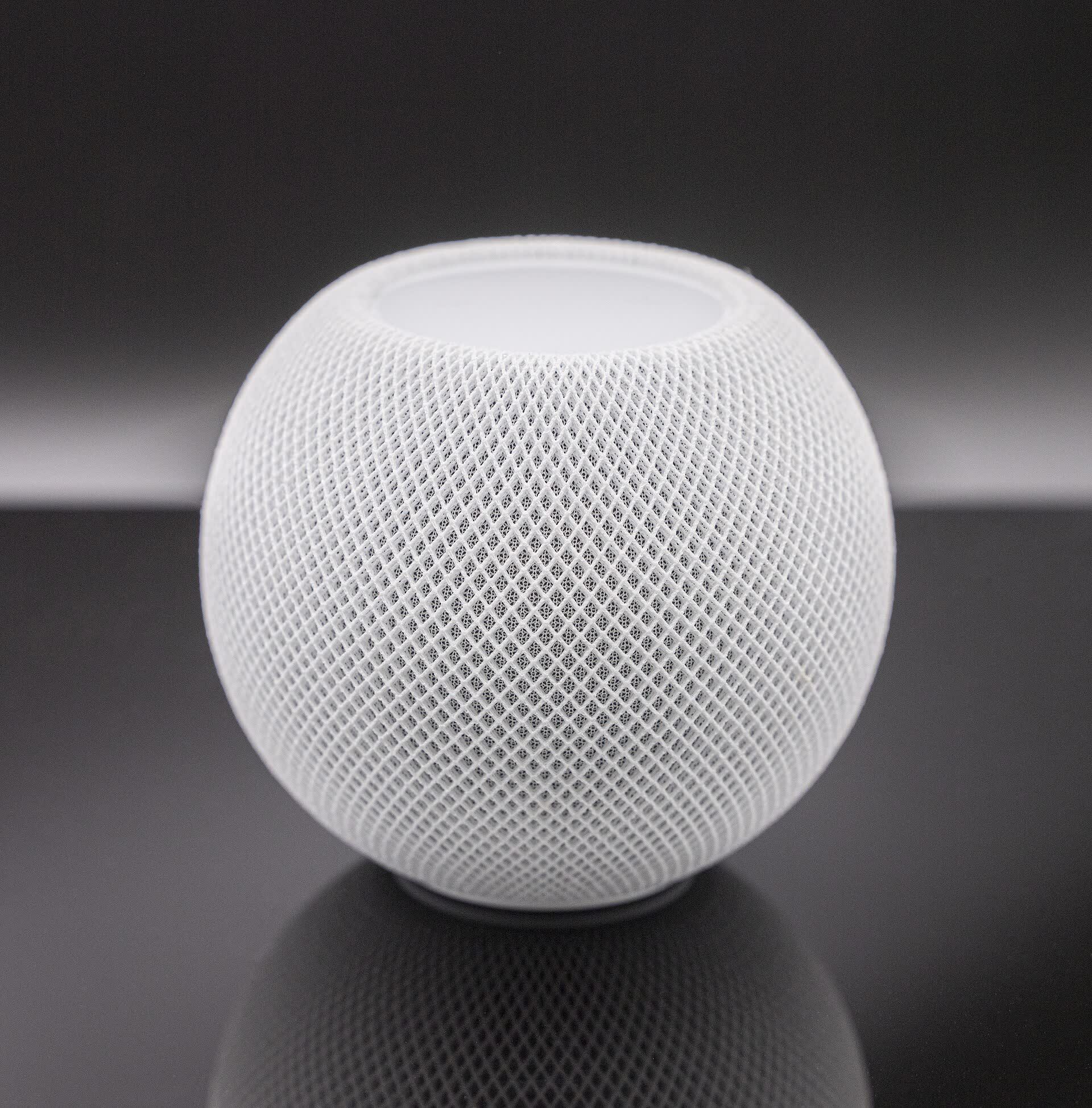
This event also lands just two weeks after Apple's October 13 "Welcome Home" smart-home event — the HomeView hub, the new Apple TV 4K, and HomePod mini 2 (full recap here). Apple is clearly running a packed fall: the home in mid-October, the Mac at the end of it. The RTX Spark laptops arriving this week from the Windows side make the timing even more pointed — this is a direct fight for the premium laptop buyer.
Should you wait?
If you're in the market for a MacBook Pro: yes, wait eleven days. Even if you don't want the touchscreen model, the current lineup will get cheaper the moment the new ones land. If you buy today and the event confirms everything, you'll feel it.
The bigger question is whether the touchscreen is worth the premium Apple will inevitably charge. For most people, probably not on day one — first-generation Apple hardware carries first-generation quirks, and macOS will need real work to make touch feel native rather than bolted on. But the direction is set. The Mac finally touched back.