Alibaba's Qwen N1 Smart Glasses Put a Checkout Lane on Your Face
Alibaba launched the Qwen N1 and N1 Pro AI glasses in China with a 50MP camera, 4K video, and swappable batteries. The real product isn't the glasses — it's Alipay on your face.
The specs look like a spec-sheet war with Meta
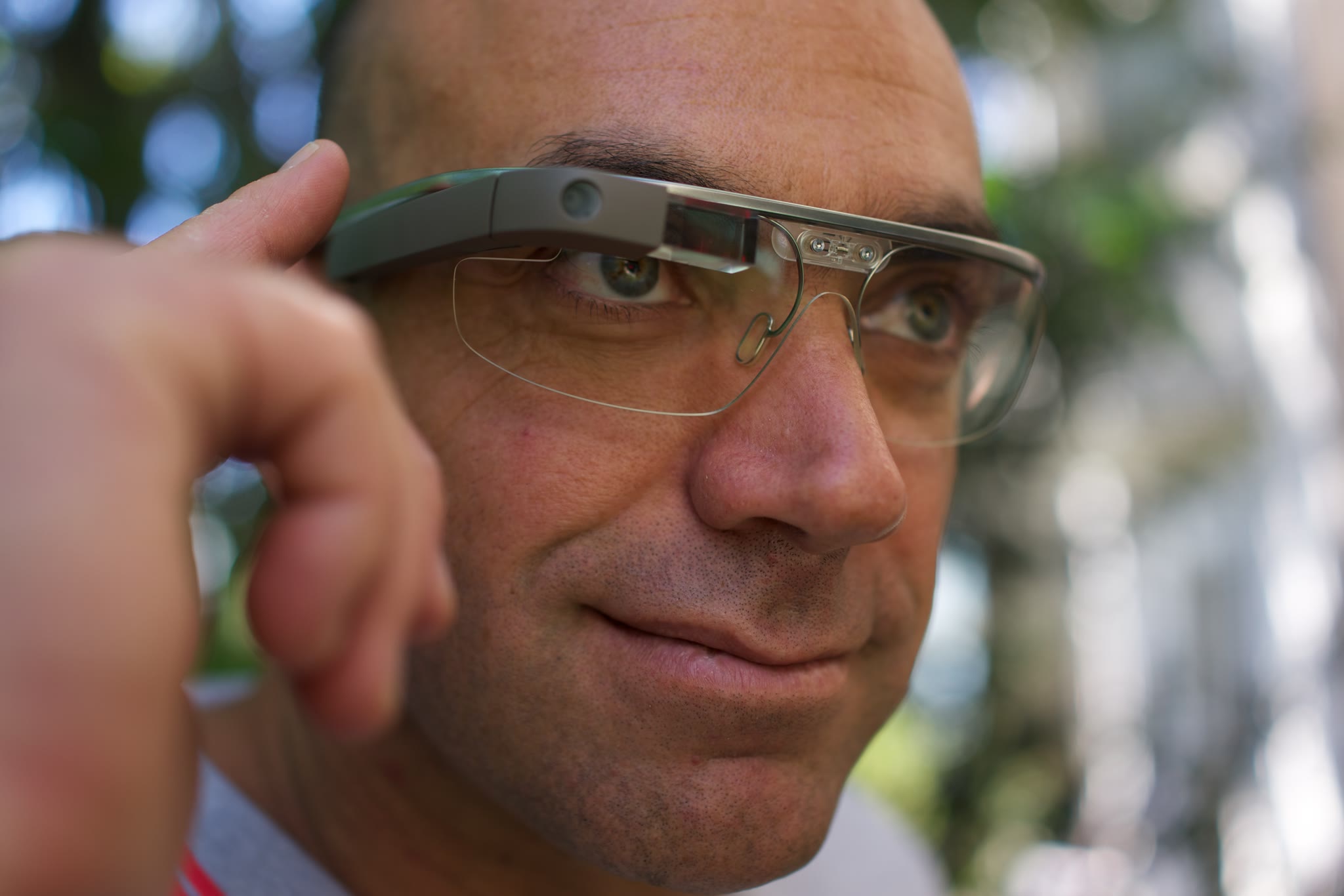
Alibaba launched the Qwen N1 and N1 Pro AI glasses in China on October 13, priced from RMB 2,899 (about $450) for the N1 and RMB 3,399 (about $500) for the N1 Pro, with discounted launch pricing bringing them lower. Alongside them: the Qwen Clip earbuds at 1,099 yuan, co-developed with Bose. This is not a concept demo. These are Qwen smart glasses you can actually buy right now — if you are in China.
The hardware is aggressive. Both glasses carry a 50MP camera shooting 4K video, real-time translation, AI-generated memos, automatic meeting notes, and travel reminders. The N1 Pro adds eye-tracking controls, iris verification for payments, and health sensors for heart rate, blood oxygen, and skin temperature. Two caveats before you swoon: the health readings lack clinical validation, so treat them as fun data, not medical data — and the iris-payment feature only matters inside Alibaba's ecosystem.
The most interesting design decision is the least flashy one: swappable batteries in the temples. The N1 gets about 9 hours, the N1 Pro about 8. Smart glasses' eternal problem is that nobody wants to take them off mid-day to charge. A spare battery pod in your pocket is a blunt, physical answer to a problem Meta's Ray-Bans solve with slimmer efficiency. Blunt is fine when it works.
But the product is the checkout lane
Here is the thing nobody should miss: this is not Alibaba selling glasses. It is Alibaba selling a payments terminal you wear. Scan a product with the 50MP camera, look it up, buy it on Taobao, authenticate with your iris through Alipay — all without reaching for your phone. The glasses are a funnel into the largest e-commerce and payments loop on earth.
That is what makes the comparison to Meta's Ray-Ban glasses instructive. Meta sells an AI assistant that happens to sit on your face. Alibaba sells a storefront that happens to sit on your face. Same hardware category, completely different business. Meta wants your attention; Alibaba wants your wallet, literally, in one glance.
The irony: Amazon's $75 Bee Frontier went the other direction — a screenless listener that remembers your whole day, priced like an impulse buy. Alibaba went premium and transactional. Two completely different bets on what a face computer is for, launched within a month of each other.
Meta should be nervous — and so should Alibaba
Bloomberg's coverage notes Meta is the current category leader in smart glasses, and Meta should absolutely read the Qwen launch as a direct challenge. A 50MP camera and 4K video at this price point, with real translation and payments built in, is not a copycat product — it is a competitor with home-field advantage in the world's biggest consumer market.
But Alibaba has its own test to pass. Reports on Chinese consumer demand for smart glasses are uneven; plenty of launches have flared and faded there. The question is not whether the launch-day price is good or the camera is sharp. The question is whether anyone is still charging these things, swapping those battery pods, and paying with their irises six months from now. Gadgets win on Tuesday; habits win on Friday.
The glasses war is really the AI assistant war wearing a new costume. Whoever owns the face owns the most intimate channel into your day — your purchases, your meetings, your translations. Alibaba just made its move. Meta's turn.
The pricing math is the real announcement
Zoom out from the camera specs and the launch-day prices tell their own story. At roughly $450 to $500, the Qwen N1 sits well below what a flagship phone costs and directly undercuts the idea that face computers are a luxury experiment. Alibaba is pricing for volume in its home market, not for prestige. If the N1 Pro's iris payments and eye tracking work as advertised, the bill of materials here is doing serious heavy lifting — which suggests Alibaba is comfortable treating the hardware as a loss leader for the Alipay and Taobao funnel it feeds. That is exactly the pricing strategy that made the Echo Dot a household item, applied to your face.