SpaceX Reports Tuesday, Tesla Follows Wednesday — and the Merger Talk Is Still Just Talk
SpaceX reports Q3 on October 20 and Tesla on October 21, with Barclays floating a merger before Tesla's December 3 AGM. But the filings show no deal — it's speculation, not fact.
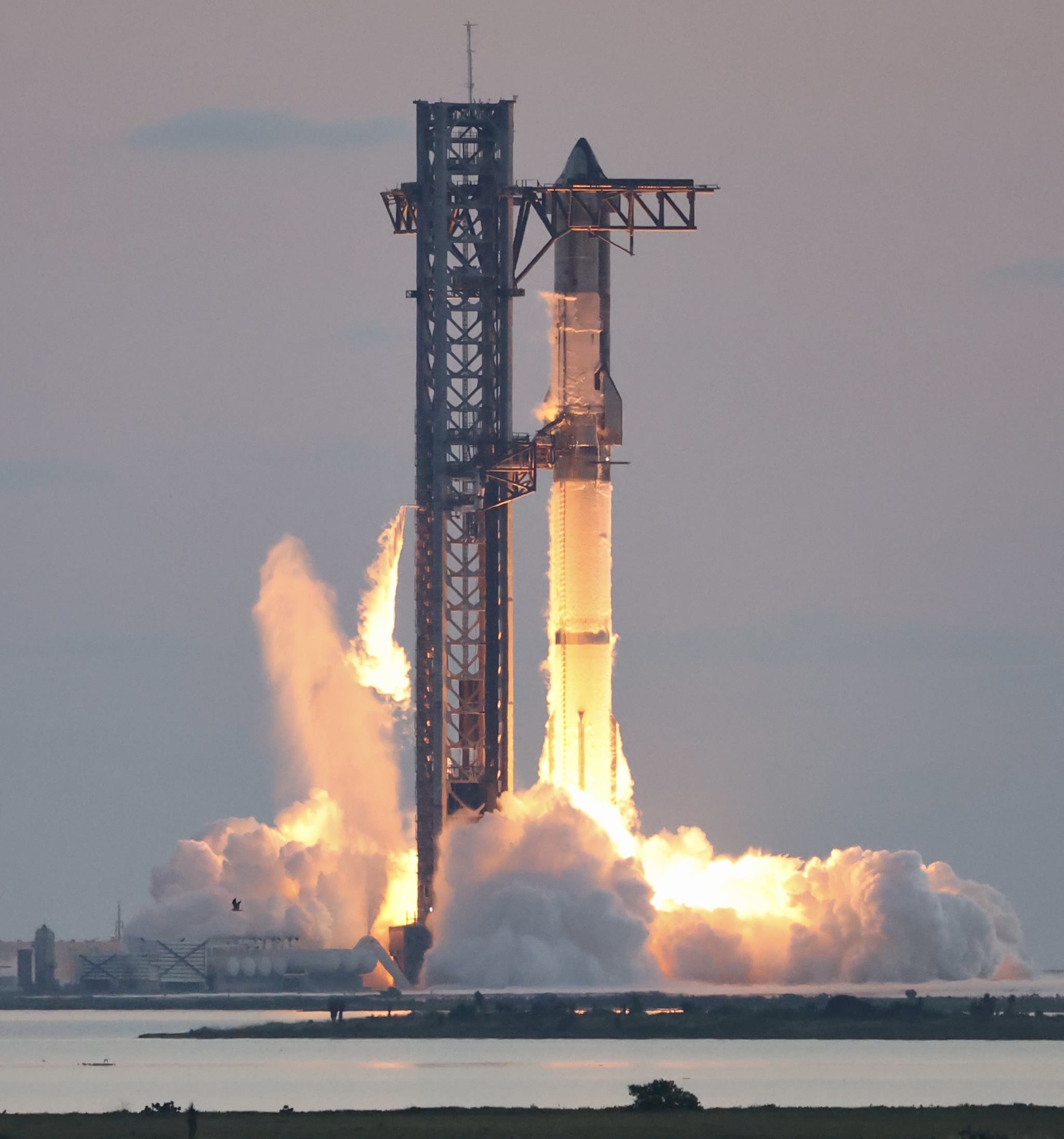
SpaceX reports third-quarter results on Tuesday, October 20. Tesla follows on Wednesday, October 21, after the market closes. Hanging over both reports is the same question: is Elon Musk about to merge his two biggest companies? The SpaceX Tesla merger speculation is loud — but it is still speculation. Neither company nor Musk has confirmed anything, and Tesla's SEC filings reviewed through October 16 contain zero references to any merger, acquisition, or deal timetable.
What each company has to prove this week
SpaceX is reporting only its second quarter as a public company. The LSEG consensus calls for roughly $12.74 billion in revenue and 14 cents a share, against second-quarter revenue of $7.8 billion and a $541 million net loss. The real test isn't the top line — it's whether the AI spending converts into revenue. Capital spending on AI hit $15.8 billion in Q2 alone. Starlink is doing the heavy lifting on growth: connectivity revenue rose 66% year over year to $4.3 billion in Q2. Evercore ISI expects SpaceX to exit 2026 at an annualized revenue run-rate near $104 billion, with capital spending reaching about $151 billion in 2027. Also in the mix: the October 8 agreement to buy 800MHz of spectrum from Grain Management for around $8 billion — still needing FCC approval — to power the Starlink Mobile push. Shares closed Friday at $146.03, above the $135 IPO price but well below the post-debut peak.
Tesla's bar is set by analysts at about $27.88 billion in revenue and roughly 43 cents of adjusted earnings per share, versus 50 cents a year earlier. Deliveries are already public: 486,532 vehicles, beating forecasts, plus 13.7 GWh of energy storage deployed. The worry is profitability: second-quarter profit missed badly, and free cash flow slipped into the red — negative $1.1 billion — for the first time in over two years. Investors want margins, cash discipline, and credible updates on robotaxi and Optimus.
Where the SpaceX Tesla merger speculation comes from
The spark is Barclays analyst Dan Levy's October 14 note: a Tesla-SpaceX merger, he wrote, has become "the consensus expectation," and could be announced before Tesla's annual meeting — expected December 3, and required by December 6. In Barclays' sketch, SpaceX is the likelier buyer in an all-stock deal, with Tesla shareholders receiving roughly 0.7 SpaceX shares apiece. The ownership math explains why: Musk holds about 48% of SpaceX with roughly 82% of the voting power through supervoting shares. At current valuations, the combined company would leave Musk with around 37% of the equity and about 56% of the votes — far more control than his roughly 20% at Tesla, where he has repeatedly said he wants about 25% voting power to pursue his AI and robotics ambitions.
The strategic pitch is vertical AI integration. SpaceX absorbed xAI in February, months before its June IPO. Tesla builds robotaxis and Optimus; SpaceX runs Grok and a massive AI compute buildout; the joint Terafab chip project sits between them. Musk has fed the talk himself — on Tesla's Q2 call he said a combination would need "the appropriate process," and at the All-In Summit last month he described the collaboration between the companies as extensive.
What the filings actually say
This is the part that matters more than any analyst note. Tesla's Q2 2026 10-Q discloses a $2 billion minority investment in SpaceX common stock — under 1% ownership, with no control over SpaceX's operations or governance. (SpaceX's S-1 later put the figure at 18,990,195 Class A shares.) Tesla's Q3 10-Q for the period ending September 29 and an 8-K filed October 2 were also reviewed: neither contains any reference to a merger, acquisition, transaction agreement, offer, or deal timetable involving SpaceX.
A minority stake plus ordinary Megapack sales between the companies are normal commercial ties. They are categorically different from a corporate combination, which would require board approvals, regulatory filings, and shareholder votes — none of which appear anywhere in the paperwork. Prediction markets agree the odds are long: Polymarket traders put a 2026 deal at roughly 24%, rising to about 63% by the end of 2027.
Why a deal would be brutally complicated
Even if Musk wanted it tomorrow, the path is brutal: two boards, two shareholder votes (Barclays flags "broker non-votes" — Tesla may need to lift retail participation to clear the bar), antitrust review, and likely national-security scrutiny given SpaceX's US government contracts and Tesla's business in China. Timing is tight — announce later than early November and approval probably slips past the annual meeting, pushing everything back 6 to 12 months. A forecast is not a deal.
Watch Tesla's earnings call Wednesday at 5:30pm ET for any hint, and treat everything else as noise. The real story this week is AI spending: both companies are pouring tens of billions into compute, even as Big Tech starts hitting the brakes on unchecked AI outlays. And Musk's empire keeps generating legal paperwork — from Tesla's own proxy battles to Apple's trade-secrets lawsuit against OpenAI, a reminder of how ugly AI-era corporate fights can get.
The week at a glance
- SpaceX Q3: Tuesday, Oct 20 — LSEG expects ~$12.74bn revenue, 14c EPS
- Tesla Q3: Wednesday, Oct 21, after close — ~$27.88bn revenue, ~43c adjusted EPS expected
- Barclays: merger possible before the Dec 3 AGM; SpaceX likely buyer; Musk ~37% equity / ~56% votes
- Confirmed: $2bn Tesla minority stake in SpaceX (<1%); zero merger mentions in filings through Oct 16
- Polymarket: ~24% odds of a deal in 2026