One Angry Developer Is Cloning Adobe's Apps With Rust and an AI Model
Developer Brandon Thomas shipped free, open-source Rust reimplementations of Adobe's suite using Claude Opus 5.5 as his coding tool. PhotoCraft passed 44,000 GitHub stars in eleven days. The moat was never the code.
What one dev shipped
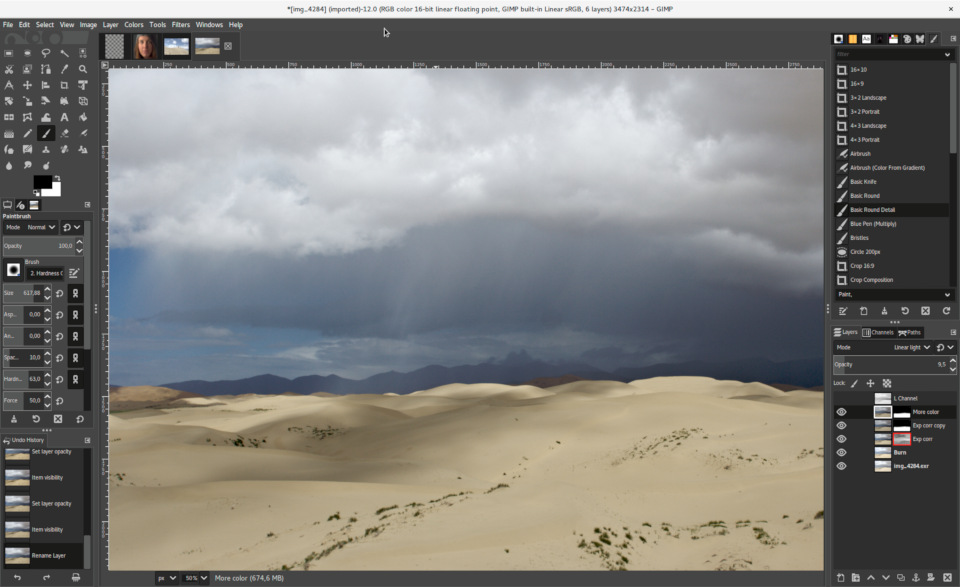
Developer Brandon Thomas — a 15-year veteran, formerly at Storyteller.ai and FakeYou — has released a suite of free, open-source 'clean-room' reimplementations of Adobe's applications: PhotoCraft, VectorCraft, FilmCraft, LightCraft, EffectCraft, DesignCraft, and PdfCraft. They are written in Rust. The main coding tool was Anthropic's Claude Opus 5.5. Read that stack again: one developer, one AI model, seven Adobe competitors.
The technical choices are deliberate provocations. Native apps on macOS, Windows, and Linux — no Electron, the framework Adobe's own web ambitions lean on. Some compile to WebAssembly. They expose CLI, JSON, and MCP servers for scripting and AI agents. And critically, they open and save real formats: PSD, DOCX, XLSX. That last detail is the whole strategy. These open source Adobe clones are not attacking Adobe's features; they are attacking file-format lock-in.
Since the initial launch, Thomas has expanded past Adobe entirely: WordCraft, DeckCraft, and GridCraft take on Word, PowerPoint, and Excel, with CADCraft and SoundCraft joining the lineup. One grudge, many targets.
The star count tells the real story
PhotoCraft alone passed 44,000 GitHub stars in about eleven days. For context, that is a velocity most venture-backed open source projects never reach in a year. Stars are not users and not revenue, but they are a very loud signal of developer attention — and developer attention is what built every successful open source ecosystem.
The grievance fueling it is real. The US Department of Justice sued Adobe in June 2024 over hidden cancellation fees; Adobe agreed to a $150M settlement in March 2026 while denying wrongdoing. Thomas has said plainly that the subscription model and its traps motivated the project. He is not the first developer to feel this way. He is just the first one who could generate an entire product line in weeks and ship it.
That is the uncomfortable part for every software vendor watching: the 'AI can build entire products' claim just got its first real-world stress test, and the test subject shipped.
File formats are the actual moat
Let us be honest about where this goes. AppleInsider found PhotoCraft convincing; TechRadar found HEIC and save problems in PhotoCraft and missing video functions in FilmCraft. Thomas walked back '100% parity in a month' to 99% parity in months on Hacker News. It is alpha software. Nobody should cancel their Creative Cloud subscription this week.
But parity is the wrong metric. The story is the threat model. If one developer with a grudge can generate a credible Photoshop UX in weeks, Adobe's moat was never the code — it was file formats, muscle memory, and the professional pipelines built on both. Thomas attacked all three at once: native apps for the feel, real format support for the lock-in, MCP servers for the agent future.
This rhymes with the broader open source moment — Perplexity's open-sourcing of SPACE showed the same pattern of AI-era infrastructure going public — but it goes further. Open-sourcing a sandbox is generosity. Cloning a $250B company's product line is war.
The authorship question nobody wants to answer
Here is the fight the developer community needs to have before lawyers have it for them: who 'built' these apps? Thomas directed the work, chose the architecture, and shipped the releases — and an AI model wrote a huge share of the actual code. Is this a solo developer achievement or an AI achievement? Does the answer change how the licenses, the credit, and eventually the liability work?
The industry's current answer is a shrug, and shrugs do not survive contact with litigation. If AI-generated code can replicate commercial software this quickly, every 'clean room' claim in software is about to be tested in courtrooms, not just on Hacker News.
Meanwhile, the practical move for developers is obvious: watch the repos, try the alphas, and pay attention to what Spotify's developer-tools-as-product trend already suggested — the tools are becoming the business. Thomas just proved the business can be rebuilt by one person. Adobe has the lawyers, the formats, and the habits. It no longer has the code advantage. That changes everything about how the next decade of creative software gets built.