Modal Hits $1B Run Rate and Raises $750M at a $15.75B Valuation
Five months after a $4.65B Series C, AI cloud startup Modal raised $750M at $15.75B with $1B in run rate. The shovel sellers are winning the gold rush.
There are funding rounds, and then there are funding rounds that redraw the map. On October 14, Modal CEO Erik Bernhardsson announced the Modal Series D in a blog post: $750 million at a $15.75 billion post-money valuation — led by Accel, with Kleiner Perkins joining and existing backers including Menlo Ventures, General Catalyst, Redpoint, Lux Capital, Amplify, and Bain Capital Ventures all piling in. Five months ago, Modal was worth $4.65 billion. Let that sink in.
Modal Series D: the numbers are absurd
The headline figures, all from the company's announcement and the investors who confirmed it:
- $750M Series D at a $15.75B post-money valuation — more than triple the $4.65B Series C from May, when it raised $355M.
- $1B in annualized run rate, with usage tripling since May and 15x year-over-year growth.
- Its Sandboxes product alone — isolated environments for executing AI-agent code — generates roughly $300M in run-rate revenue.
Modal is about five years old, co-founded by Bernhardsson and CTO Akshat Bubna. Its customer list reads like a who's who of the AI economy: DoorDash, Cognition, Ramp, Linear, Hebbia, Runway, Physical Intelligence, Chai Discovery. When the companies building the AI agents all rent their compute from the same startup, that startup gets to name its price.
The trick: no data centers
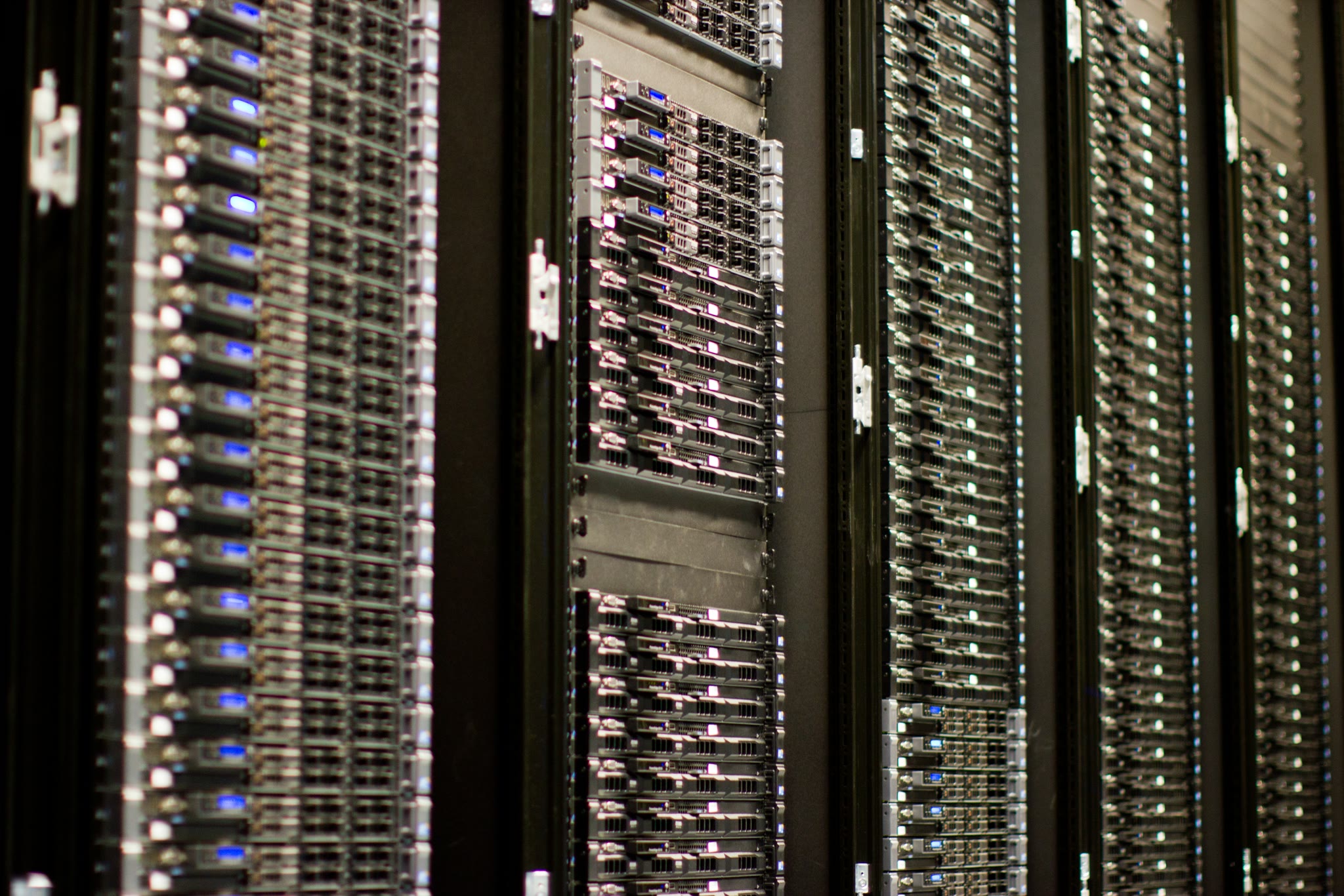
Here's the part that should make the hyperscalers uncomfortable. Modal owns no data centers. It rents compute across more than 20 cloud providers and rebuilt the entire stack on top — filesystem, container runtime, scheduler, networking — so developers get a clean serverless experience for GPU workloads without touching infrastructure.
It's the purest expression of a bet that's been building all year: the AI boom's scarcest resource isn't models, it's usable compute, and the winners are the companies that abstract it away. Investors poured roughly $4 billion into AI startups in a single week earlier this month, and Modal's round is the exclamation point — capital is concentrating on the picks-and-shovels layer, not the model layer.
Why this valuation might actually make sense
$15.75 billion for a five-year-old company sounds like 2021 again. But compare it to the alternatives. Training and serving AI workloads on the big clouds is expensive, slow to provision, and operationally painful — the whole reason Manus's $500M raise and its peers keep flowing toward infrastructure plays. Modal's 15x YoY growth at $1B run rate means it's growing into the valuation in real time, not on vibes.
The risk is concentration. Modal rents from 20+ providers, which is diversification — but its revenue concentrates in one white-hot workload: AI agents executing code in sandboxes. If agent hype cools or the hyperscalers finally make their own serverless GPU offerings painless, the moat gets tested. Right now, though, the customers keep coming, and the White House is literally subsidizing science compute — demand isn't the problem.
What it means for everyone else
Two takeaways. First, the "AI infrastructure" trade still has room to run — but it's consolidating fast around a few winners, and the entry ticket is now measured in billions. Second, the Sandboxes number is the tell: $300M of run rate from giving agents a safe place to run code. The agent economy isn't a future story anymore. It's a line item.
Modal tripled its valuation in five months by selling shovels to the gold rush. The gold rush, for the record, shows no signs of stopping.