Mistral Large 4 'Le Chonk': Europe's Trillion-Parameter Bid to Break the US-China AI Grip
Mistral Large 4 ('Le Chonk') is Europe's 1.05-trillion-parameter bid to take on US and Chinese frontier labs — open weights land October 27, 2026. It's cheaper than GPT-6.1 Sol and oddly good at offensive security work.
Mistral Large 4 is real, it's enormous, and it's Europe's most serious attempt yet to stop being a spectator in the frontier AI race. Announced October 6, 2026 at a launch event in Abu Dhabi, the model nicknamed "Le Chonk" packs 1.05 trillion total parameters with just 52 billion active per token — and its public API preview is already live. Full open weights are promised by October 27. If Mistral delivers, the US–China duopoly on frontier models gets a third voice, one with a European accent.
The specs: a trillion parameters, trained at home
Mistral Large 4 uses a granular mixture-of-experts architecture: 1.05 trillion total parameters, 52B active per token, plus a 1.6B vision encoder. It takes text and images in, text out, and was trained across 160+ languages.
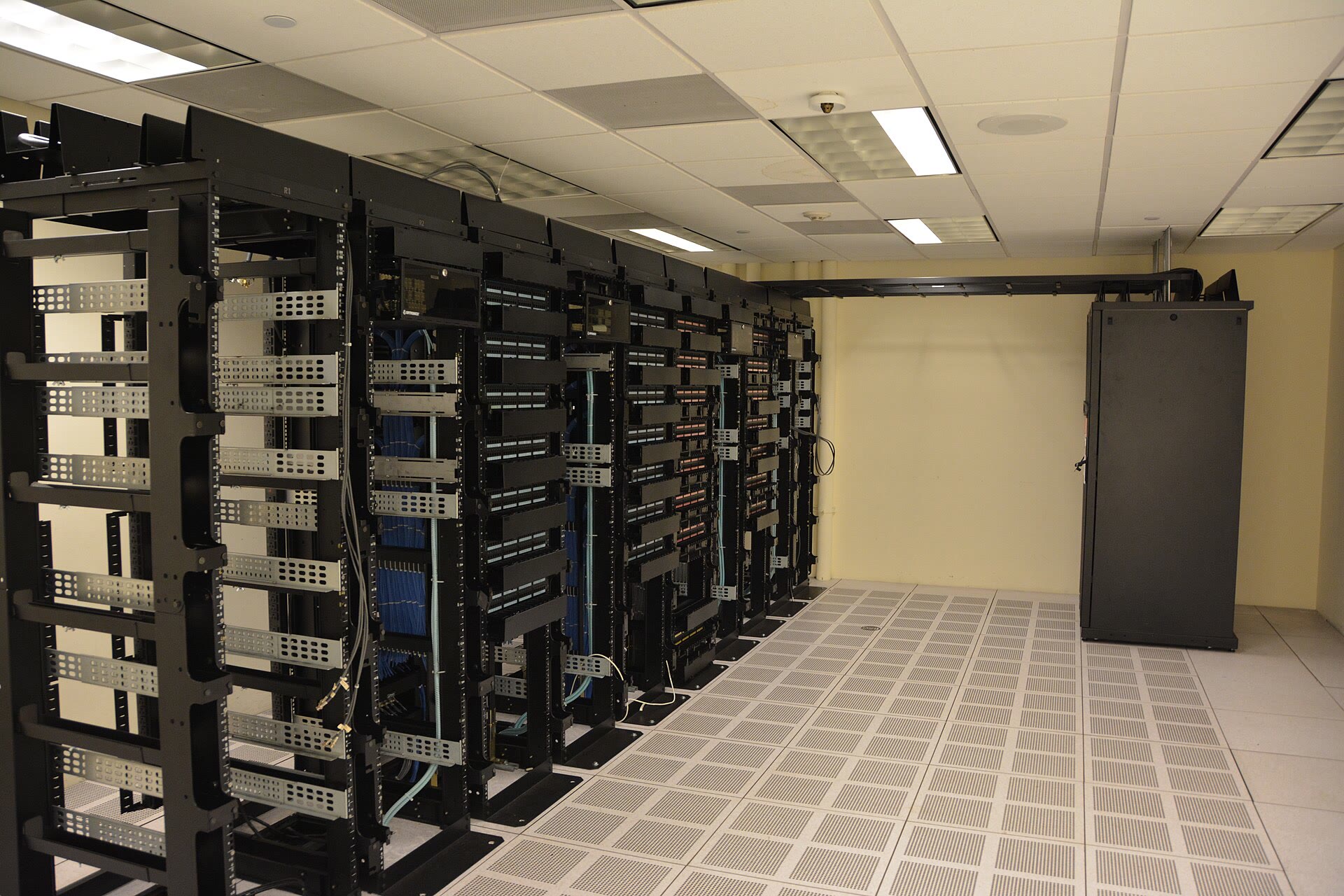
The training story is part of the pitch. Mistral built it from scratch in roughly two months on between 3,800 and 4,000 Nvidia Grace Blackwell GPUs sitting in the company's own European datacenters. No US cloud rental, no dependency on someone else's infrastructure. For a continent that has spent years writing AI regulation while buying American compute, that detail matters more than any benchmark.
It's fast work — suspiciously fast, some will say. Training a trillion-parameter model from scratch in two months is either a sign of extraordinary engineering or a sign that "from scratch" is doing some heavy lifting in the marketing copy. Mistral's engineers insist the cluster is theirs and the run is theirs; the open weights, due October 27, will let the world check the work.
"The narrative that Europe cannot compete is not true"
That line, from CEO Artur Mensch at the Abu Dhabi launch, is the whole thesis. Mistral claims the model "significantly outperforms any open-weight model developed in the US or Europe" — a claim that conveniently sidesteps China's open models, which are the actual competition. (See: the open-weight push from DeepSeek and Meta's recent Muse Spark release.)
The money behind the bravado: Mistral's €3B Series D, led by Samsung, at roughly a €21B valuation — billed as the largest equity round ever by a European tech company. Europe has decided, at the wallet level, that it wants its own frontier lab. For the funding context, see our startup funding roundup.
The cybersecurity party trick
Here's where it gets genuinely interesting. The model scores 93% on Cybench and 82% on a reproduce-and-patch vulnerability test run by Artificial Analysis — where Claude Opus 5.5 and GPT-6 Astra score near zero, not because they can't do it, but because they refuse to.
Read that twice. The frontier closed models have been tuned to decline offensive security work; Mistral's model just does it. For defenders — SOC teams, red teams, bug bounty hunters — that's a tool. For everyone else, it's a reminder that the safety debate and the capability debate are the same debate.
Mistral seems aware of the tension: security experts and government authorities get a less-restricted version for testing before the October 27 weights release. That's a sensible sequencing — adversarial review before the weights go public — and one the whole open-model world should copy.
The reality check: benchmarks are mixed
The independent picture is less triumphant than the launch event. Artificial Analysis' preview index puts the model mid-pack at 38 out of 219. On DeepSWE coding, it scores 61.7% against GLM-5.3's 69%.
None of this is damning — it's a preview, and coding benchmarks are one slice of usefulness — but it punctures the "outperforms everything" framing. The honest reading: this is a legitimate open-weight contender with a standout security profile and unproven generalist chops. Watch the October 27 release and the independent evals that follow, not the launch-day slides.
Mistral Large 4 pricing is the real weapon
The number that will move actual adoption isn't the parameter count. It's the price tag: $1.36/$4.18 per million input/output tokens, with a launch sale cutting that to $0.68/$2.09 — half price. That undercuts GPT-6.1 Sol's $2/$10 baseline by a wide margin.
What to do with that:
- If you run agents that burn output tokens — coding loops, document processing, security scanning — run the math. The gap at output pricing is where the savings compound.
- Test the preview now, decide after October 27. Open weights mean you can self-host, which changes the economics again for high-volume workloads.
- Don't bet the roadmap on a preview. The independent benchmarks are mid-pack; price only wins if quality is close enough. Pilot it, measure it, then commit.
Le Chonk is a bet that Europe can build frontier AI without renting it from California — and a bet that openness is a feature, not a liability. Two months, four thousand GPUs, a trillion parameters, and a price tag that dares the incumbents to match it. Whether the model earns the nickname or becomes a punchline depends on what happens after October 27, when the weights go public and the marketing stops doing the talking.