Nigeria's MAX Series B3 Hits $29M to Put Africa's Riders on Electric Motorcycles
Lagos e-mobility startup MAX has stretched its Series B3 to $29 million with fresh financing from US climate investor Nithio. The money funds electric motorcycles, solar battery-swapping, and no-deposit subscriptions for 60,000+ commercial riders.
Nigeria's MAX just got its MAX Series B3 extended to $29 million, and the interesting part isn't the number — it's who's writing the check. Nithio, a Washington-based climate fintech, is buying into electric motorcycles in West Africa, betting that the path to Africa's energy transition runs through commercial riders, not showroom Teslas.
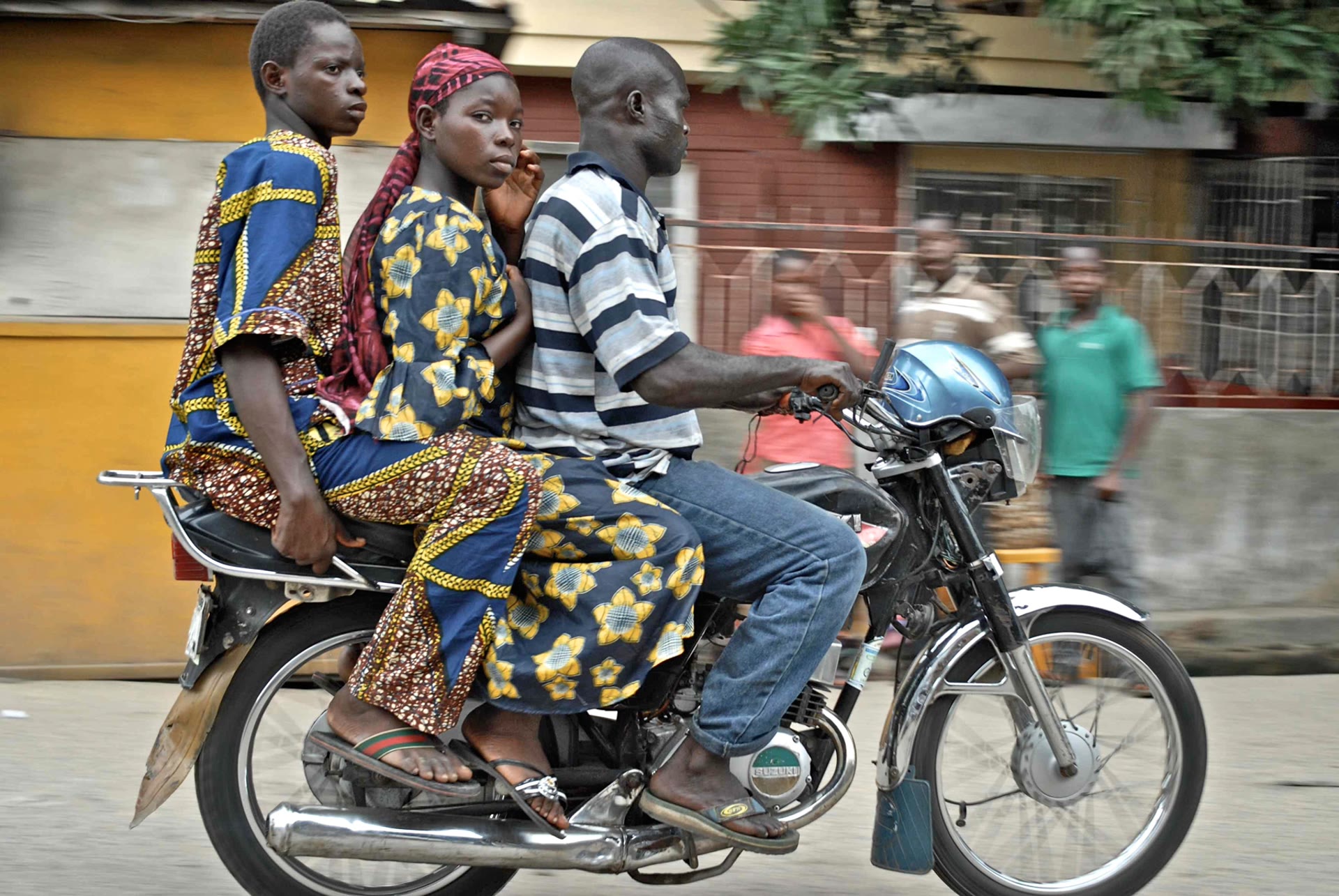
Founded in Lagos in 2015 by Adetayo Bamiduro and Chinedu Azodoh, MAX bundles electric motorcycles, battery subscriptions, solar-powered charging and battery-swapping stations, digital payments, and fleet financing into one platform. Its 60,000+ commercial riders — MAX calls them "MAX Champions" — pay a daily subscription with no upfront deposit, and in return get the bike, the battery, insurance, maintenance, and training. The company says the platform has facilitated over a billion trips and helped avoid around 238,000 tonnes of emissions.
What the MAX Series B3 extension actually funds
Nithio announced the financing on October 12 without disclosing its individual ticket, topping up a $24 million equity-and-debt round MAX announced back in January 2026, which was backed by Novastar Ventures, Triple Jump, Endeavor Catalyst, Equitane DMCC, and the Energy Entrepreneurs Growth Fund. That January round itself followed what the company reported as profitability in Nigeria, its largest market.
The money goes to three places: deploying more electric two-wheelers through OEM partners Spiro and NOVR, expanding the solar-powered charging and battery-swap network, and pushing into new markets. MAX currently operates in 20 cities across Nigeria, Ghana, and Cameroon, with nine new markets in the pipeline. Its network already runs 288 battery cabinets across 143 swap locations, some of them solar-powered — a detail that matters enormously in a country where the national grid supplies only about 4,000 megawatts to more than 200 million people.
The Spiro partnership has put nearly 7,000 bikes on the road toward a first-phase target of 10,000. NOVR, the newer partner, brings batteries with 150km+ range aimed at Tier 2 and Tier 3 cities, where swapping infrastructure is still thin. As startup funding rounds go this season, it's a modest headline number with unusually concrete unit economics behind it.
The real enemy is fuel math, not range anxiety
Western EV discourse obsesses over charging networks and sticker prices. In Lagos, the problem is simpler and meaner: fuel costs. Since Nigeria scrapped gasoline subsidies in May 2023, petrol in Lagos has hovered around 1,350-1,400 naira per liter. A commercial rider can easily hand 40-60% of daily income to the gas station.
MAX says its combination of electric bikes, solar charging, and battery swapping cuts riders' energy and maintenance costs by more than 40% compared with petrol alternatives at current prices. When the person buying your product treats the motorcycle as a means of production rather than a lifestyle accessory, that 40% isn't a feature — it's the entire pitch. Every naira a rider doesn't spend on petrol is income that stays in the household, and that shows up in daily subscription retention far more reliably than any green branding.
This is also why the swapping model matters more than charging. In a market with roughly 48 public EV charging stations nationwide, asking a commercial rider to wait hours for a charge is a non-starter. A battery swap takes minutes. The infrastructure is the product; the bike is just the delivery mechanism.
The subscription is the product, not the bike
The most underrated line in this story: no upfront deposit. In a market where limited access to financing is the single biggest barrier to EV adoption, MAX removes the capital question entirely. Riders pay daily, which matches how they earn — cash in, cash out, day by day.
Compare that with a typical $29 million Series B in Silicon Valley, like RapidCanvas's raise earlier this year, where the capital buys engineering headcount and enterprise sales cycles. Here, the same amount buys physical assets: bikes, batteries, cabinets, solar panels. It's a heavier balance sheet and a longer payback, but each deployed bike starts generating daily subscription revenue immediately. That's why MAX could report profitability in Nigeria while still expanding — the unit economics work before scale, which is rare in mobility.
The fleet data layer makes the flywheel spin. IoT telematics, digital payments, and rider histories give MAX something traditional lenders in Nigeria don't have: a live, verifiable credit file on tens of thousands of commercial drivers. That data is what let a climate lender like Nithio underwrite the deal in the first place — and it compounds with every new rider.
Why climate money is following two-wheelers
Nithio's CIO Raghav Sachdeva said MAX is "building a scalable platform for cleaner and more affordable mobility across Africa." But look at the sequencing: earlier this year, Nithio's Facility for Adaptation, Inclusion and Resilience put $7 million of senior debt working capital into Spiro, the very OEM supplying MAX's bikes. Nithio is financing both the supplier and the platform — the vehicle layer and the operator layer. That's not two separate bets; it's one vertically aware thesis.
There's a lesson in this for anyone watching African climate finance. Two-wheelers aren't glamorous, but they're where the emissions math is real: hundreds of thousands of small petrol engines running 10-14 hours a day are a vastly bigger emissions and air-quality problem than the handful of private cars anyone could electrify. MAX's 238,000 tonnes of avoided emissions came from commercial usage intensity, not from badge engineering.
The target — 250,000 drivers and over $150 million in annual recurring revenue by 2027 — is ambitious. But unlike the software startups raising bigger rounds on projected ARR, this ARR is backed by physical assets humming on actual streets. It's worth taking seriously.
What could still go wrong
Honesty requires the caveats. Grid fragility doesn't disappear because you add solar panels — it just moves the bottleneck to your capex. Regulatory whiplash is a real African startup hazard; Lagos has banned motorcycle taxis outright before, and while MAX has pivoted past its ride-hailing roots into subscriptions and fleet services, policy shifts can still bite. And battery degradation in hot, dusty, rough-road conditions is a maintenance story the marketing never tells.
MAX's counterweight to all of this is alignment: the company only makes money when riders make money. That's a healthier incentive structure than most platforms ever achieve. If the MAX Series B3 extension does its job, the next headline won't be another funding round — it'll be a ridership number that makes the funding rounds look cheap.