Cloudflare Lost Power, Then Its Dashboard — Two Outages in One Week
A power failure at a core North American data center knocked out Cloudflare's dashboard and API — days after a failed KV update took everything down for 37 minutes. The weak link in the AI cloud era is electricity.
What went down (twice)
Cloudflare has had the kind of week infrastructure companies have nightmares about. First, a failed update to its globally distributed key-value store, Workers KV, took down all of Cloudflare's services for 37 minutes. Then, days later, a power failure at a core North American data center knocked the Dashboard and API offline while core products kept serving. Two significant incidents, one week, one company that a huge share of the web sits behind. This Cloudflare outage 2026 double-header is the reliability story of the month.
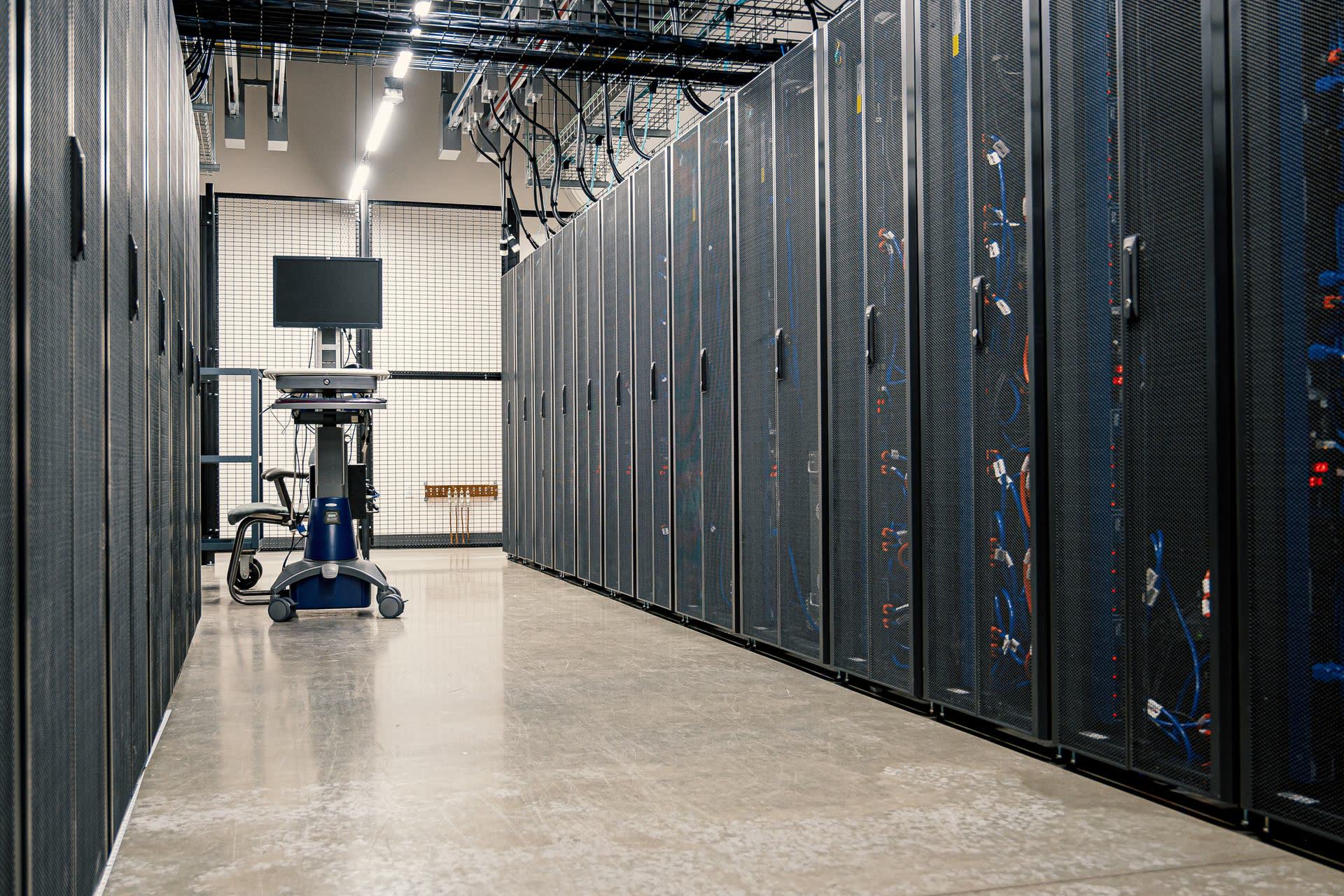
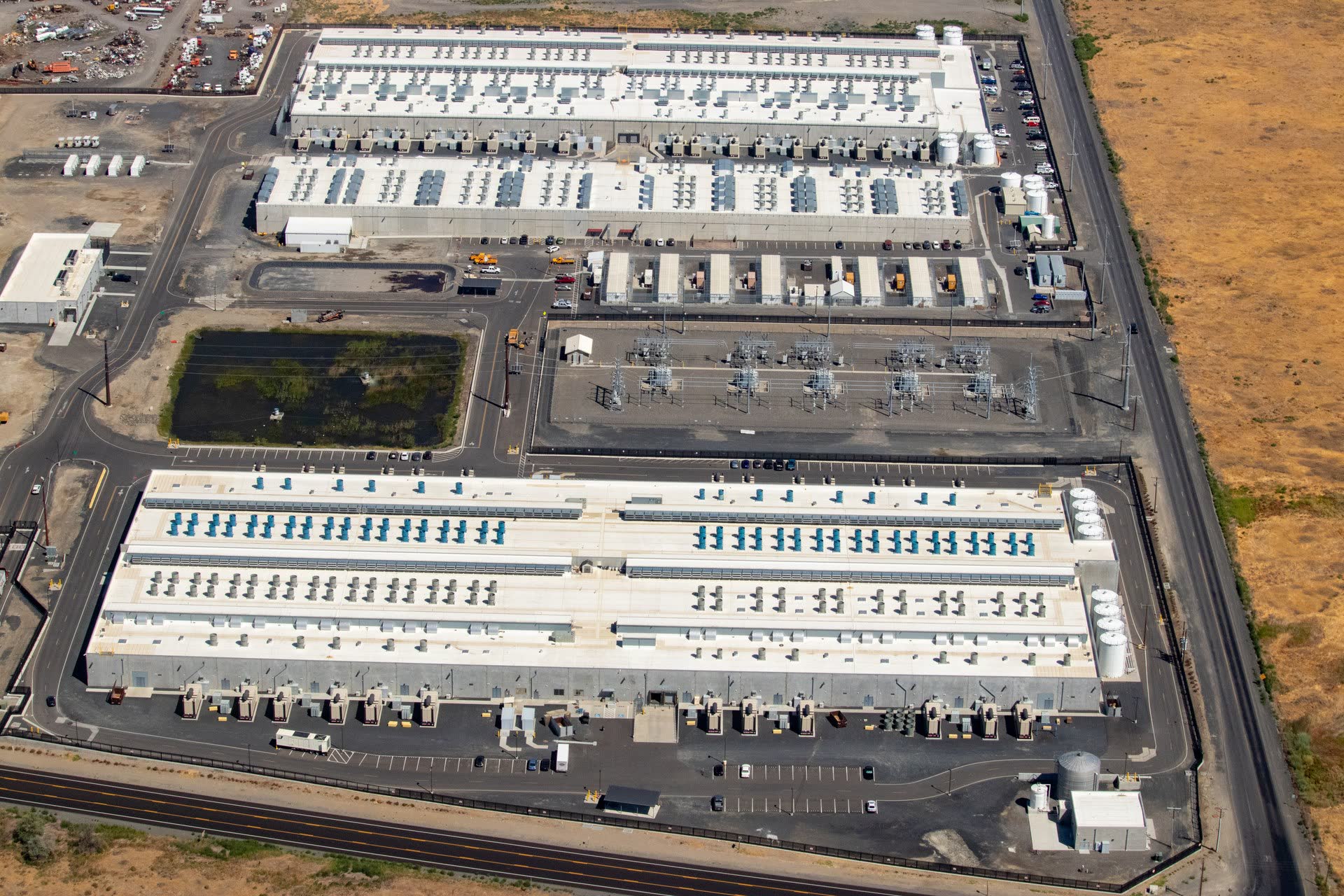
The second incident's blast radius was wide: Magic Transit, Argo, Workers KV, WAF, rate limiting, rules, Zero Trust and WARP registration, waiting room, load balancing and health checks, Cloudflare Pages, authoritative and secondary DNS, Tunnel, and Images. Cloudflare said it failed over some core services to a backup data center, which 'partially remediated' the impact. The cause of the power failure itself was not disclosed.
The failover detail is the part worth underlining. Partially remediated means the backup plan worked and also did not fully work. That is the honest reality of most failovers, and it is why the second outage hurt more than the first: a bad deploy is embarrassing, but a power failure that your redundancy only half-absorbs is structural.
A power failure — not a hack, not a bad deploy
Pause on the cause, because it is the least glamorous and most important part. Nobody breached anything. Nobody pushed bad code this time. The electricity stopped. In the AI era's cloud build-out, where the conversation is all about GPUs and model weights, the thing that took down the control plane was the power grid.
This fits a pattern. DataCenterDynamics reported on October 12 that data center fires and power failures have doubled since 2024. The industry is pouring hundreds of billions into compute while the boring infrastructure underneath — power delivery, cooling, backup — becomes the binding constraint. It echoes the AI buildout's power bottleneck we covered earlier this month: the GPUs are not the scarce resource. The electrons are.
Your control plane is the single point of failure
Here is the operational lesson, and it is uncomfortable. When Cloudflare's dashboard and API went dark, customers could not manage the infrastructure they pay Cloudflare to run — even where the underlying services kept serving. The control plane is the single pane of glass, and this week the glass shattered.
Every ops team should run this thought experiment: if your CDN's dashboard disappeared for four hours, what could you still do? Could you fail over DNS? Could you purge cache? Could you see what was broken? If the answer depends on the dashboard being up, you do not have redundancy — you have a dependency with a status page.
This is also a warning about concentration. The 'nobody gets fired for buying Cloudflare' reflex exists because Cloudflare is genuinely good at what it does. But two outages in one week — one software, one power — is the universe reminding everyone that a single provider is a single point of failure no matter how good the provider is. Multi-provider redundancy stops being a luxury purchase the week your primary's dashboard goes dark.
The uncomfortable question for ops teams
Cloudflare will publish its postmortems, fix the KV update process, harden the power story, and the industry will move on — until the next one. The pattern of the last two years is that each major outage teaches the same lesson and the lesson keeps not sticking: resilience is not a feature you buy from a vendor. It is an architecture you build yourself, usually by assuming every vendor will fail.
There is a personal angle here too: this very site runs on Cloudflare Pages, which was on the impacted list. The outage did not take us down, but it is a useful reminder that our publishing pipeline's final mile depends on a dashboard we do not control. We will be reviewing our own failover assumptions this week. You should review yours.
The AI era keeps teaching the same boring lesson in louder ways: software eats the world, but electricity runs the kitchen. Plan accordingly.