A Judge Signals He'll Side With Apple — and OpenAI Agrees Not to Touch the Disputed Files
A San Jose judge said he's 'highly likely' to side with Apple in its trade-secrets fight with OpenAI. OpenAI agreed not to use the disputed files and to forensically image 14 employees' devices.
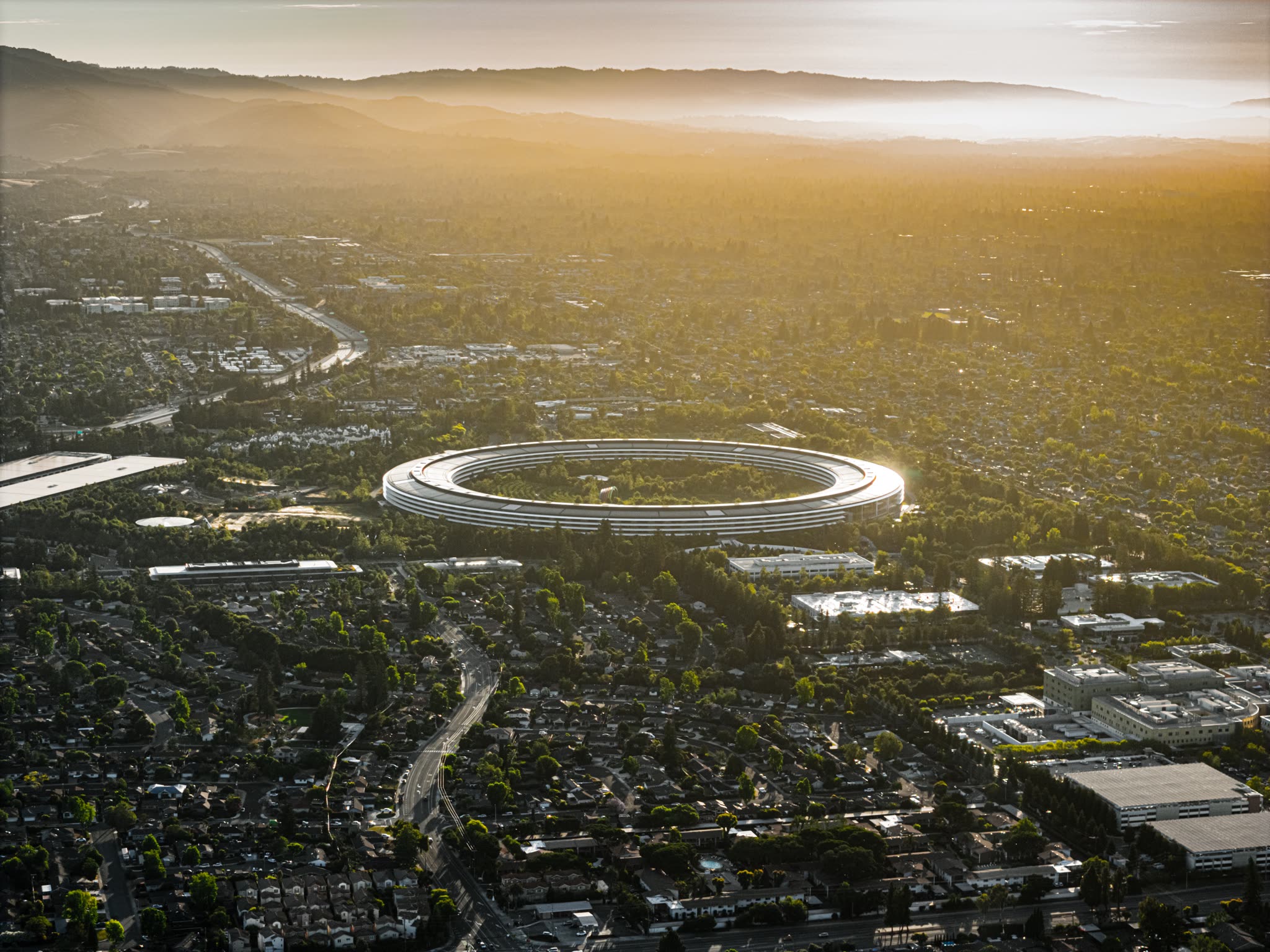
The Apple-versus-OpenAI trade secrets fight just had its first real day in court, and it did not go well for OpenAI. At a hearing on October 14 in San Jose, U.S. District Judge Edward Davila said he was 'highly likely' to grant Apple's request for a preliminary injunction — and OpenAI, rather than fight the order, agreed to most of it voluntarily.
The Apple OpenAI lawsuit has been building since Apple filed in July 2026 against OpenAI, io Products, and former Apple employees Chang Liu and Tang Tan. The accusation: OpenAI schemed to steal Apple intellectual property tied to upcoming products to boost its own competing hardware ambitions — what the complaint calls 'a family of devices for the AI era.'
The hearing that changed the math
'Highly likely' is about as strong a signal as a judge gives before the actual ruling. This was Davila's first substantive decision in the case (case 5:26-cv-07078-EJD), and it effectively tells OpenAI the court finds Apple's evidence credible enough to act on now.
OpenAI's response was pragmatic: it agreed not to use the trade secrets Apple claims were stolen, and committed to collecting forensic images of 14 employees' devices that may contain Apple's confidential information. Davila can enforce that agreement with court sanctions. In practical terms, Apple got most of what the injunction would have given it — while OpenAI avoided losing the motion on the record.
But Davila pushed back on Apple's broader demands. When Apple asked for a full forensic inspection of all devices and repositories, the judge called it a 'huge ask.' Apple's lawyer, John M. Desmarais, agreed to narrow the request: 'They don't have 400 bad apples, your honour, they have a few bad apples.' The line of the hearing, and probably the line of the case.
What OpenAI has to hand over
A day earlier, on October 13, Davila granted Apple limited expedited discovery. OpenAI must produce already-collected materials within 5 days and more within 14 days — including interview and hiring materials and private LINE messages. Depositions are scheduled within 30 days. LINE messages, specifically, is a telling detail: the alleged poaching conversations happened where lawyers hoped nobody would look.
OpenAI also argued a motion to dismiss at the same hearing. The court's split decision — ordering OpenAI to share hiring records while rejecting broader requests for its hardware research records — keeps the case focused on how people were hired and what they took, rather than turning into a fishing expedition through OpenAI's device lab.
The backstory: from partners to courtroom enemies
The irony is thick here. Apple and OpenAI partnered in 2024 to embed ChatGPT into the iPhone's operating system. Two years later, they're in federal court over alleged theft of the hardware secrets Apple guards most closely.
The bridge between those facts is the $6.4 billion OpenAI paid last year to acquire io, the hardware company founded by Jony Ive. Apple's theory of the case: a former employee who left OpenAI to return to Apple took more than 100 confidential files on unreleased hardware, and OpenAI allegedly advised recruits on what to bring to interviews. OpenAI's counter-allegation: a former employee shared more than 100 of OpenAI's own confidential files with Apple executives.
This is the Big Tech legal war era in miniature — everyone litigating, everyone alleging the other side did the thing. And it's happening while Apple's actual hardware business keeps moving: the smart-home push is exactly the kind of 'upcoming product' category these trade secrets allegedly touch.
What happens next
The voluntary agreement buys OpenAI time but concedes the core ground: it can't use the disputed files, its employees' devices get forensically imaged, and the hiring records come out within days. Discovery will now produce a paper trail of who took what and when — the kind of evidence that makes or breaks trade-secret cases regardless of the injunction.
For the industry, the precedent being set is about talent mobility in the AI hardware race. When engineers move between labs working on the same class of devices, where's the line between bringing your expertise and bringing your employer's files? Courts are going to be drawing that line case by case, and this case is now the live example.
Watch the discovery deadlines — 5 days, 14 days, 30 days. Whatever's in those hiring records will shape whether this stays a trade-secrets case or becomes something bigger.