The AI Buildout's Real Bottleneck Isn't GPUs — It's Power, Chillers, and Permits
Dell'Oro and Schneider Electric's numbers agree: the AI buildout is constrained by power, cooling, and permits — not GPUs.
Everyone in tech is arguing about whether the AI data center buildout is a bubble. This week, the numbers people quietly settled a different question: what actually constrains it. It isn't GPUs. It isn't demand. It's power, cooling, and permits. The AI data centre boom has a plumbing problem, and the companies selling the plumbing just had a very good week.
The AI data centre boom, in numbers
Dell'Oro Group's report, published October 14, put hard figures on the physical side of the boom: the worldwide Data Center Physical Infrastructure market grew 27% year over year to $14 billion in manufacturer revenue in the second quarter of 2026, extending a run of 20%+ growth quarters as AI capacity demand kept outrunning supply.
The standout segment was thermal management — up more than 40% year over year, the fastest-growing part of the market. Direct liquid cooling and heat-rejection chillers led the charge. That makes physical sense: AI racks run dramatically hotter than the old enterprise servers, and you can't air-cool your way out of a gigawatt-scale training cluster. Every hyperscaler learning this lesson is writing checks to the cooling vendors.
Dell'Oro research director Alex Cordovil put it memorably: the quarter's loudest debate was whether the AI buildout is being cancelled; the quieter and more consequential one is whether it will be permitted. Siting, grid interconnection, and local permits are now the most serious near-term brake on new capacity. You can buy all the GPUs you want — if the substation isn't built and the county hasn't signed off, they're expensive paperweights.
Schneider Electric just told you the same story
On October 16, Schneider Electric raised its 2026 targets for the second time this year: adjusted EBITDA organic growth is now expected at 18–21% (up from 14–19%), and revenue growth at 12–14% (up from 10–13%). Third-quarter revenue hit a record €11.46 billion, beating the €11.13 billion consensus. CEO Olivier Blum cited data centers as the key growth driver, with — his phrase — "triple-digit demand growth in the quarter."
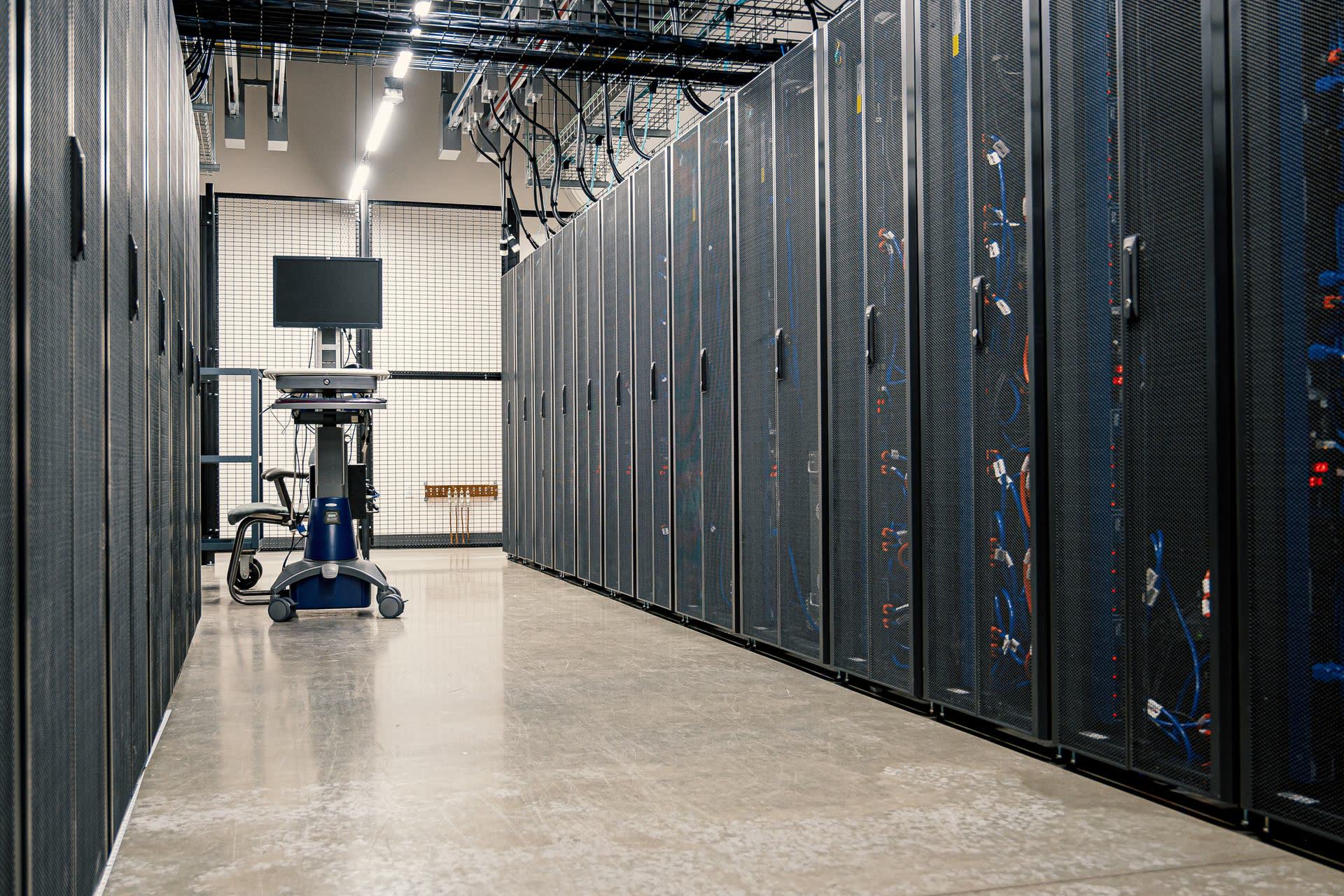
Schneider sells the unglamorous stuff: cooling units, server racks, power distribution. It has become one of the biggest industrial beneficiaries of the AI boom precisely because it sells what every data center needs regardless of whose chips go inside. Growth was led by China and East Asia, which tells you this isn't a US-only story — it's a global infrastructure cycle.
Where the concrete is being poured
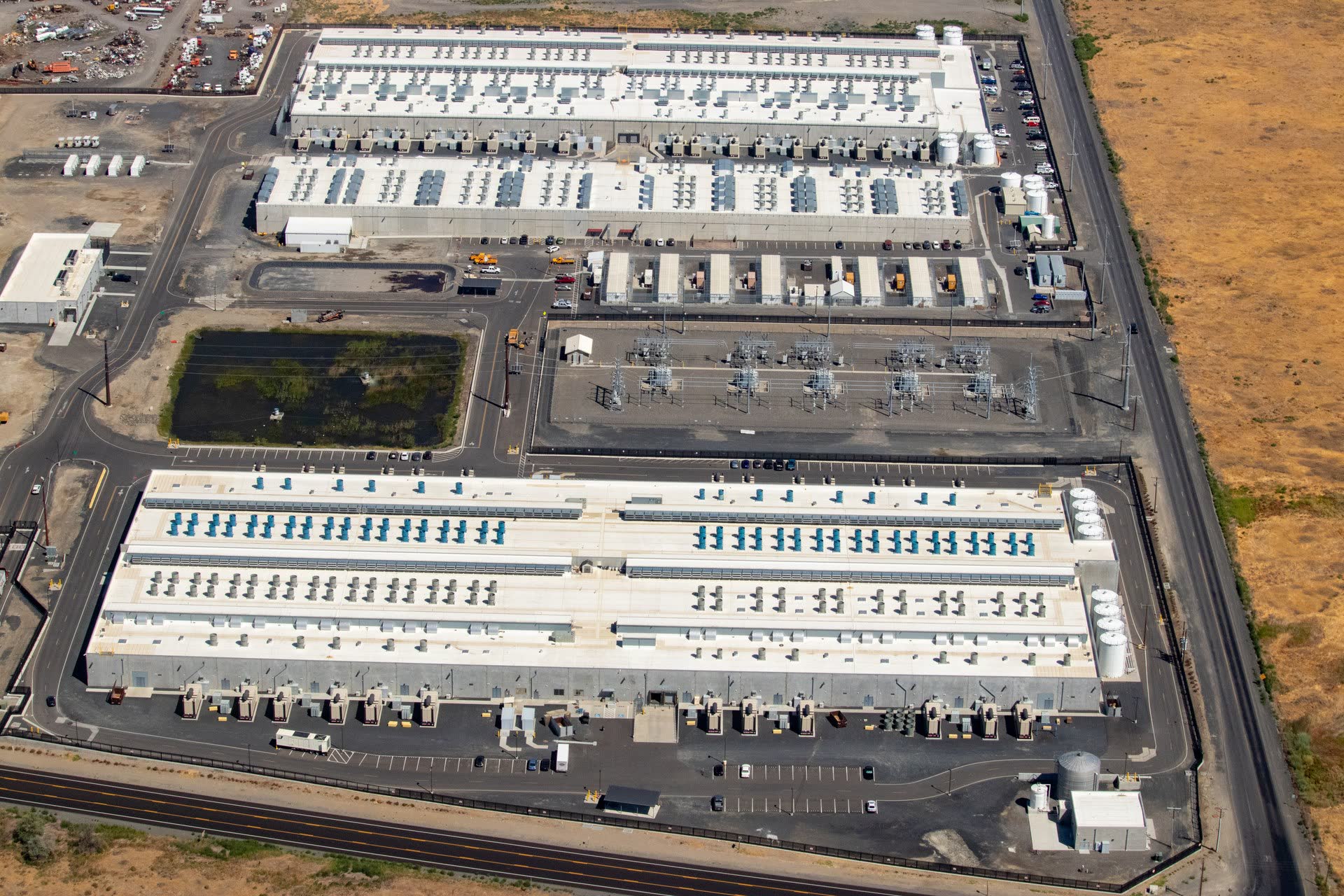
New research from DC Byte, via Intelligent Data Centres on October 12, mapped where hyperscaler colocation capacity is actually landing: six of the eight markets attracting the most new capacity are in the US — Texas, Virginia, Georgia, Iowa, Michigan, and Wisconsin — with individual gigawatt-scale projects going up in Iowa, Michigan, and Wisconsin. The geography of AI is being written in power purchase agreements and county zoning meetings.
This is the part of the boom that doesn't make keynotes. While everyone watches model releases, the binding constraints are transformers, chillers, and electricians. It's also why the sovereign-cloud push matters — AWS's European independence test and SoftBank's GPU cloud launch in Japan are the same story in different costumes: compute follows power and policy, not the other way around.
What it means if you're not building data centers
Three practical takeaways. First, if you're planning cloud capacity for next year, the constraint to watch isn't GPU allocation — it's whether your provider can actually power the buildings. Ask about power delivery timelines, not just chip availability. Second, the "picks and shovels" trade still has legs: cooling, power distribution, and grid equipment are growing faster than the headline AI market, with less valuation froth. Third, expect the permitting fights to get political. Gigawatt-scale campuses draw real local opposition over water and electricity, and the Cordovil quote will age well: the debate that matters is the quiet one.
The AI boom runs on electricity and cold water. Everything else is commentary.